Monday, 27 October 2025

Expert Kitchen Remodeling in Moorefield Station, VA

Kitchen remodeling in Moorefield Station, VA transforms functional space into a higher-performing, value-driving part of the home by combining design, materials, and skilled execution. This article explains what full-service kitchen remodeling in Moorefield Station looks like, why local expertise matters, and how design decisions—like custom cabinetry, quartz countertops, and integrated appliances—produce measurable benefits for homeowners. Many homeowners struggle with cramped layouts, dated finishes, and unclear budgets; this guide outlines practical solutions, timelines, and cost frameworks to help you plan with confidence. You will learn the comprehensive services available locally, a clear cost breakdown with EAV-style tables to estimate budgets, the step-by-step remodeling process from consultation to handover, and the newest 2025 design trends that perform well in Moorefield Station. The piece also includes dedicated guidance for trade partners on wholesale product access and partnership benefits, plus actionable lists and comparison tables to simplify decision-making for both homeowners and contractors. Read on to get a practical, hyper-local roadmap for a seamless kitchen renovation in Moorefield Station, VA.

Key Takeaways from This Guide:

  • Full-Service Remodeling: Understand the comprehensive scope of kitchen remodeling in Moorefield Station, from design to execution.
  • Local Expertise Matters: Discover why choosing local professionals is crucial for navigating home styles, permits, and material sourcing.
  • Design Decisions Drive Value: Learn how choices like custom cabinetry, quartz countertops, and integrated appliances enhance functionality and ROI.
  • Practical Solutions: Get clear guidance on budgets, timelines, and cost frameworks to overcome common remodeling challenges.
  • Comprehensive Resources: Access information on local services, cost breakdowns, the remodeling process, and 2025 design trends.
  • Trade Partner Benefits: Explore wholesale product access and partnership advantages for contractors.
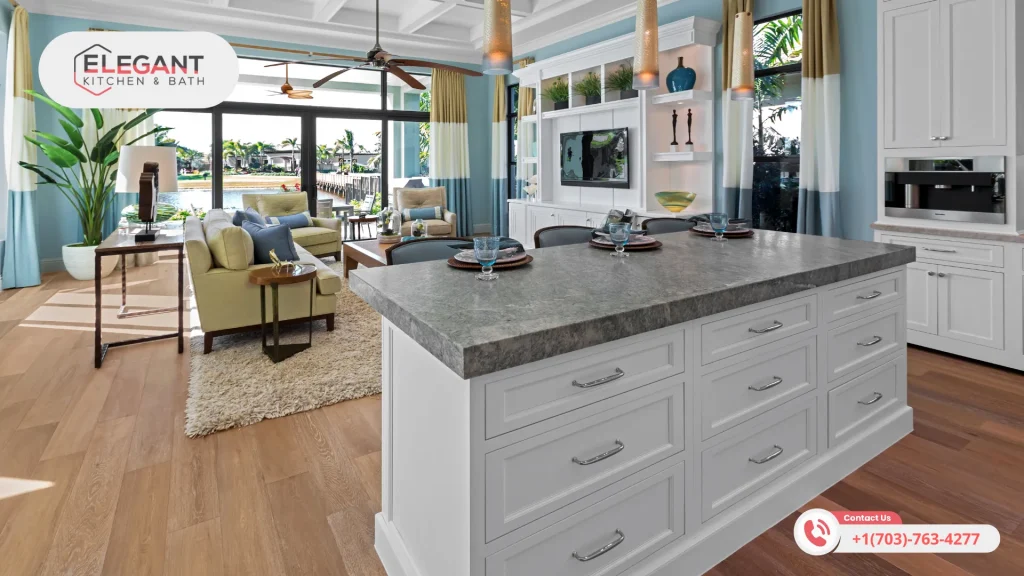
Kitchen-Remodeling-in-VirginiaWhy Choose Expert Kitchen Remodelers in Moorefield Station, VA?

Choosing expert kitchen remodelers in Moorefield Station means hiring professionals who understand local home styles, permitting nuances, and material lead times, resulting in smoother projects and better long-term outcomes. Skilled remodelers apply quality craftsmanship and proven project management to reduce delays and protect resale value, which directly improves homeowner satisfaction and investment return. Local expertise also shortens procurement cycles for common materials and ensures compliance with Northern Virginia codes, reducing risk during inspections. The next sections break down the local differentiators, the role of craftsmanship in outcomes, and how to evaluate providers to find the right team for your project.

  • Key local advantages of hiring expert remodelers include: Local knowledge of Moorefield Station home styles and common construction constraints, which speeds design decisions. Familiarity with permitting and inspection procedures in Northern Virginia, helping avoid delays. Established subcontractor networks and material sourcing that improve scheduling and quality.

These reasons lead naturally into a closer look at what makes local contractors unique in Moorefield Station and how craftsmanship affects project outcomes.

What Makes Local Kitchen Contractors in Moorefield Station Unique?

Local kitchen contractors in Moorefield Station are distinct because they combine regional building knowledge with experience handling common neighborhood footprints and style preferences. They understand typical kitchen footprints in local neighborhoods and can propose layout improvements that optimize flow without extensive structural work. This familiarity reduces surprises during demolition and enables more accurate timelines and cost estimates for homeowners. Knowing local supplier lead times and common architectural features helps contractors propose realistic materials and finishes that fit Moorefield Station homes and buyer expectations.

Local contractor knowledge of permit cycles and inspection requirements directly shortens time-to-completion and reduces the likelihood of rework, which in turn improves overall project predictability. This regional expertise sets up the next topic: the measurable impacts of craftsmanship on durability, aesthetics, and resale value.

How Does Quality Craftsmanship Impact Your Kitchen Remodel?

Quality craftsmanship increases durability, reduces callbacks, and enhances long-term performance by ensuring precise installations of cabinets, countertops, and systems like plumbing and electrical. Skilled workmanship prevents common failures—misaligned cabinet faces, improper sealing at countertops, or insufficient ventilation behind appliances—thereby extending component lifespans and protecting finishes. This attention to detail also improves perceived value during resale because prospective buyers note fit-and-finish and durable materials when assessing a home.

High craftsmanship also reduces lifecycle costs: well-installed cabinetry and properly sealed stone surfaces avoid early repairs and refinishing, preserving homeowner investment. Understanding these durability drivers leads to practical criteria for selecting trusted remodelers, which is covered next.

Which Kitchen Renovation Companies in Moorefield Station Are Trusted by Homeowners?

Rather than naming specific firms, evaluate providers through consistent signals: verified portfolios showing local projects, detailed written estimates, clear warranty terms, and visible proof of licensing and insurance. Request project portfolios with captions that explain scope, materials, and timelines so you can match contractor experience to your project type; local examples are especially valuable for Moorefield Station homes. Compare written scopes of work and change-order procedures to avoid ambiguity during construction.

Look for transparent project management approaches—regular updates, single-point communication, and documented QA checkpoints—because these practices reduce misunderstandings and keep projects on schedule. These evaluation criteria prepare you to review the full suite of services typically offered in local kitchen remodels.

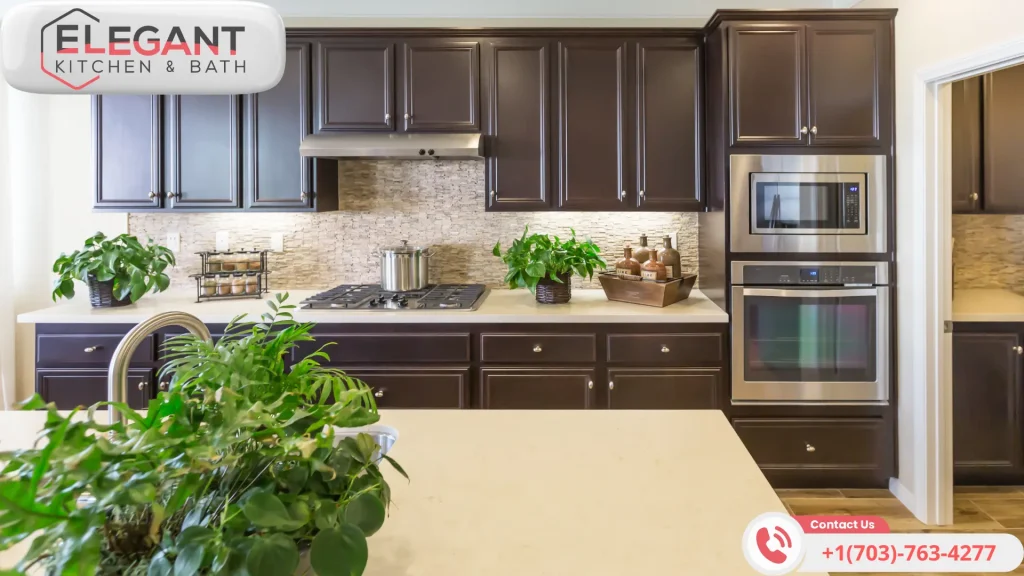
A beautifully designed kitchen, illustrating the range of comprehensive remodeling services available.

What Are the Comprehensive Kitchen Remodeling Services Offered in Moorefield Station?

Comprehensive kitchen remodeling in Moorefield Station covers design, procurement, installation, and project management to deliver cohesive results that balance aesthetics and function. Typical services include custom kitchen design and 3D renderings, cabinetry supply and installation, countertop selection and fabrication, appliance integration, flooring and lighting installation, and end-to-end project management. These integrated services ensure that design choices—like cabinet footprint, island sizing, and appliance placement—work together to optimize workflow and value.

Service offerings frequently break down into specialized trades and package options, with timelines that reflect material selection and permit requirements. Below is a practical table comparing common services, typical material options, and expected lead times to help homeowners plan.

Service Material / Option Typical Lead Time / Notes
Custom Kitchen Design 3D renderings, layout optimization 1–3 weeks for concepts; revisions add time
Cabinetry Installation Stock, semi-custom, custom wood finishes 2–12 weeks depending on customization
Countertop Fabrication Quartz, granite, marble 1–4 weeks for fabrication, longer for stone
Appliance Integration Built-in vs. freestanding, smart-ready Coordination with appliance delivery schedule
Flooring & Lighting Hardwood, tile, engineered wood; layered lighting 1–3 weeks for materials; sequencing required

This table clarifies how each service component contributes to the project timeline and procurement plan. Next, we explore specific H3 topics covering design, cabinetry, appliances, and lighting.

For cabinetry and countertop-related services, local remodelers and suppliers often coordinate with wholesale product channels and trade partner networks to streamline delivery and reduce costs for contractors and homeowners. This supplier support helps keep lead times predictable and ensures access to consistent materials for Moorefield Station projects.

4-Amy-Hynes-Kitchen-and-Powder-Room-TransformationHow Does Custom Kitchen Design Enhance Your Moorefield Station Home?

Custom kitchen design aligns your lifestyle needs with the home’s footprint by optimizing circulation, sightlines, and storage through tailored layouts and detailed 3D renderings. Designers use measurements and workflow analysis to position islands, work zones, and appliance stacks for efficient daily use, increasing both functionality and homeowner satisfaction. This process often involves material selection consultations where finish durability and maintenance expectations inform recommendations—for example, pairing quartz countertops with engineered wood flooring for balanced durability and aesthetics.

Design decisions also affect ROI by targeting popular preferences in Moorefield Station—neutral palettes, functional storage, and flexible islands—making careful initial planning a high-leverage stage. Effective design establishes the blueprint for procurement and construction, which the cabinetry and countertop choices will realize.

What Are the Best Cabinetry and Countertop Options Available Locally?

Cabinetry and countertop choices range from budget-friendly stock units to fully custom millwork, each with tradeoffs in cost, lead time, and long-term value. Quartz countertops offer consistent color, durability, and low maintenance, while natural stone options like granite provide unique veining and higher perceived luxury. Cabinet styles—shaker, slab, or inset—affect both style and budget, with semi-custom cabinetry often balancing cost and personalization for Moorefield Station homeowners.

To help compare options, the table below summarizes materials, durability, maintenance, and typical cost tier.

Material / Style Durability Maintenance Typical Price Tier
Quartz countertop High Low Mid to High
Granite countertop High Moderate Mid to High
Shaker cabinets High Low Mid
Custom wood cabinets High Moderate High

Choosing materials that align with long-term use and local buyer preferences improves both daily enjoyment and resale prospects. These selections naturally influence appliance integration requirements and layout planning.

How Do Appliance Integration and Modern Upgrades Improve Kitchen Functionality?

Appliance integration—built-in refrigeration, slide-in ranges, and integrated dishwashers—creates cleaner sightlines and improves workflow by aligning appliance footprints with cabinet faces and countertops. Smart appliances and energy-efficient models reduce operating costs and can be integrated into lighting and control systems for convenience. However, integration requires early coordination for ventilation, electrical capacity, and cabinet modifications to ensure fit and serviceability.

Careful planning during design avoids last-minute adjustments and ensures compatibility between cabinetry, counter cutouts, and appliance clearances. These integration choices bridge design intent and final usability, and they lead into flooring and lighting strategies that complete the functional environment.

Which Flooring and Lighting Choices Complement Your Kitchen Remodel?

Flooring and lighting choices determine durability under daily use and the perceived warmth and usability of the kitchen, making them essential design decisions. Durable, water-resistant options—engineered hardwood or large-format porcelain tile—perform well in busy kitchens, while layered lighting strategies (task, ambient, accent) optimize function and atmosphere. Under-cabinet task lighting and pendant fixtures over islands both support tasks and enhance style, while dimmable ambient controls allow flexible mood settings.

Selecting finishes that resist wear and integrate with cabinet and countertop palettes simplifies maintenance and extends aesthetic life. These material choices also influence cost and scheduling, which we cover next in a detailed cost discussion and EAV-style table to help estimate budgets.

Understanding the investment: a visual representation of kitchen remodeling costs.

How Much Does Kitchen Remodeling Cost in Moorefield Station, VA?

Kitchen remodeling in Moorefield Station typically ranges based on project scale: a mid-range remodel often falls in a moderate budget tier while upscale renovations with custom cabinetry and premium stone are significantly higher, but all projects share cost drivers like materials, labor, and complexity. Costs reflect material selection, structural changes, permitting, and contractor hourly rates; strategic choices—like selecting quartz over high-end marble—can preserve aesthetic appeal while controlling costs. Below is an EAV-style cost table to help estimate typical ranges for small, mid-size, and large remodels with material quality tiers.

Estimate your project cost using the table below to understand how scope and material quality interact.

Project Size / Attribute Material Quality Typical Cost Range
Cosmetic refresh (no layout change) Mid-quality finishes $8,000 – $25,000
Mid-range remodel (layout tweaks, semi-custom cabinets) Mid to high quality $25,000 – $75,000
Upscale remodel (structural changes, custom cabinetry) High-end finishes $75,000 – $150,000+

This table provides a starting point; final estimates depend on specific selections and local labor conditions. Next, we break down the main cost drivers and tactics to maximize ROI.

When estimating costs, contractors and homeowners in Moorefield Station can often reduce material expenses through trade partner discounts and access to wholesale pricing channels, which lowers the price of cabinetry, countertops, and fixtures without compromising quality.

Kitchen-remodeling-guide-Define-goals-set-a-budget-choose-layout-select-materials-maximize-storage-and-hire-professionals-for-your-dream-kitchen-Learn-more-about-kitchen-remodelingWhat Factors Influence Kitchen Remodel Costs Locally?

Local cost drivers include labor rates in Northern Virginia, the extent of structural changes, permit and inspection fees, and material lead times that can affect scheduling and temporary housing needs. Labor and craftsmanship premiums increase with the complexity of custom millwork or detailed installation requirements, while material selection drives direct supply costs—engineered hardwood, quartz, and custom hardware add to budgets. Unforeseen conditions revealed during demo, such as outdated wiring or water damage, also increase costs and should be anticipated in contingency planning.

Understanding these factors enables homeowners to make choices that control cost without compromising core functionality. This cost-awareness leads directly to strategies for maximizing ROI.

How Can You Maximize ROI from Your Kitchen Renovation?

Maximizing ROI focuses on selecting durable, widely appealing materials and design features that buyers value: neutral color schemes, functional storage, efficient layouts, and quality countertops like quartz. Prioritize investments in items that deliver day-to-day utility and low maintenance, such as durable flooring and efficient lighting, because these improvements influence both lifestyle and resale. Smaller, high-impact upgrades—new cabinet faces, improved lighting, and modern hardware—often deliver strong value compared with full custom overhauls.

Referencing Cost vs. Value trends for 2024–2025 helps align upgrades with market expectations and improve cost recovery at sale, reinforcing the importance of targeted upgrades over speculative luxury spending.

What Are Typical Price Ranges for Custom Kitchen Cabinets and Countertops?

  • Stock cabinets: lower upfront cost, faster lead time.
  • Semi-custom cabinets: balanced price, customization options.
  • Fully custom cabinets: highest cost, tailored solutions for unique layouts.

Understanding these tiers helps homeowners prioritize where to invest for the best functional and resale returns in Moorefield Station. The next section explains the remodeling process phases that produce these outcomes.

From concept to completion: visualizing the structured kitchen remodeling journey.

What Is the Step-by-Step Kitchen Remodeling Process for Moorefield Station Homeowners?

A structured remodeling process reduces uncertainty by sequencing design, approvals, procurement, construction, and finishing with clear deliverables and timelines. The process begins with discovery and design, moves through permitting and procurement, proceeds to demolition and construction, and ends with installation, inspection, and homeowner handover. Each phase has decision points that affect cost and schedule, so early alignment on scope and materials accelerates procurement and reduces change orders. Below is a numbered process that maps typical durations and decision milestones.

Follow this step-by-step outline to set expectations and coordinate responsibilities.

  • Initial consultation and scope definition: gather measurements, goals, and budget.
  • Design development and approvals: finalize layouts, materials, and obtain permits.
  • Procurement and scheduling: order long-lead items like cabinets and stone.
  • Demolition and construction: execute structural and system work.
  • Installation and finishing: install fixtures, finishes, and complete QA checks.
  • Final walk-through and handover: address punch-list items and confirm warranties.

This roadmap clarifies responsibilities and sequencing, and the following H3s explore how the initial consultation shapes outcomes and how quality is assured during the project.

How Does the Initial Consultation Shape Your Kitchen Remodel?

The initial consultation defines goals, budget parameters, and functional priorities, creating a baseline that guides design choices and procurement decisions. Accurate site measurements and an assessment of existing systems inform whether structural changes are feasible or costly, and early decisions about appliance footprints and cabinet heights reduce later rework. A consultation checklist—plans, photos, wish lists, and rough budgets—streamlines the process and helps designers produce realistic concepts that fit Moorefield Station home layouts.

Aligning expectations at this stage improves schedule predictability and reduces scope creep, setting the project on a controlled trajectory toward construction.

What Are the Key Phases from Design to Installation?

Key phases include conceptual design, detailed drawings and specifications, permit submission and approval, procurement of long-lead items, demolition and rough-in work for plumbing and electrical, finish carpentry and countertop templating, and final installations with punch-list resolution. Each phase has typical durations: design often takes 2–4 weeks, procurement 2–8 weeks, and construction 4–12+ weeks depending on complexity. Clear phase responsibilities—designer for documentation, contractor for scheduling and QA, and supplier for timely deliveries—ensure coordinated execution.

Recognizing these phases helps homeowners plan for temporary adjustments during construction and maintain realistic timelines.

How Is Quality Ensured Throughout the Remodeling Project?

Quality is ensured through defined QA checkpoints: pre-install inspections, materials verification against specifications, mid-project trade inspections, and a final walk-through with a documented punch-list. Regular site meetings and photographic records capture progress and surface issues early, preventing rework. Warranties on labor and products, plus documented maintenance guidance, provide post-completion protection for homeowners.

These QA protocols maintain standards and protect homeowner investment, and they feed into the portfolio examples that demonstrate successful local outcomes.

Before and after: examples of transformative kitchen remodels in the local area.

Where Can You See Examples of Expert Kitchen Remodeling in Moorefield Station?

Local portfolios and image galleries showcase project goals, material selections, timelines, and measurable outcomes for Moorefield Station kitchen remodels, offering homeowners visual proof of process and quality. Project captions that include scope, materials, lead times, and before/after statements help readers understand real trade-offs and expected timelines for similar projects. Reviewing local galleries assists homeowners in matching style preferences and setting realistic budget expectations.

Below are ways to assess portfolios and testimonials to find examples most relevant to your project.

  • What to look for in project portfolios: Clear before-and-after photos with explanatory captions. Scope details including material choices and timelines. Evidence of problem-solving for common local challenges.

These portfolio assessment criteria naturally lead into featured project descriptions and client feedback summaries.

Which Featured Projects Showcase Local Kitchen Transformations?

Featured projects should describe the problem, the design solution, the materials used, and the measurable outcome—such as improved workflow, increased storage capacity, or modernized finishes. Captions that note project scope (e.g., island addition, cabinetry replacement) and timeline help homeowners set expectations. Highlighted use of materials—such as quartz countertops and shaker cabinetry—illustrates how choices translate into the final aesthetic and function.

Project summaries with concise facts and outcomes provide practical reference points for planning similar Moorefield Station renovations.

What Do Moorefield Station Clients Say About Their Kitchen Remodel Experience?

Client feedback commonly praises clear communication, adherence to schedules, and craftsmanship quality—elements that reflect strong project management and skilled trades. Summarized testimonials that focus on timelines, problem resolution, and final quality provide social proof without inventing specific attributions. Look for patterns in feedback—consistent praise for responsiveness or durability indicates reliable processes and supplier relationships.

Understanding client priorities helps prospective homeowners ask the right questions during contractor selection, and those questions often relate to wholesale sourcing and partner support detailed next.

Accessing premium materials: a glimpse into wholesale kitchen product benefits for contractors.

Kitchen-as-Home-AdditionHow Can Trade Partners Benefit from Wholesale Kitchen Products in Moorefield Station?

Trade partners in Moorefield Station gain advantages from wholesale kitchen product channels through competitive pricing, reliable supply chains, and dedicated partner support that streamlines ordering and project quoting. Wholesale relationships provide contractors access to cabinetry, countertops, appliances, flooring, and lighting at scale pricing and predictable lead times—benefits that improve bid competitiveness and project margins. A trade partner program typically offers catalog access, ordering portals, and account management to reduce friction and support local contractors’ projects.

The table below provides a product-level comparison of wholesale offerings and typical partner benefits to help contractors evaluate supplier options.

Product Attribute (material/brand) Wholesale Offer (pricing/lead time)
Cabinets Stock, semi-custom, custom Competitive pricing; variable lead times 2–12 weeks
Countertops Quartz, granite, marble Fabrication scheduling; coordinated templating
Appliances Smart-ready models Trade discounts; coordinated deliveries
Flooring & Lighting Engineered wood, tile, fixtures Volume pricing; project shipping support

This product-level view clarifies how wholesale access affects scheduling and pricing for contractors. Next, learn how partner programs support local contractors operationally.

What Wholesale Kitchen Products Are Available for Trade Partners?

Wholesale channels typically supply cabinetry lines (stock to custom), engineered and natural stone countertops, integrated appliances suitable for modern kitchens, and flooring and lighting selections suited to diverse design schemes. Product availability often includes durable, low-maintenance finishes favored in Moorefield Station projects—quartz slabs, shaker-style cabinet options, and engineered hardwood flooring. Lead times vary by product class, with stock items delivering quickly and custom fabrications requiring extended scheduling.

These product offerings let contractors match client expectations while managing procurement timelines, and they connect to program-level support described next.

How Does the Trade Partner Program Support Local Contractors?

A trade partner program supports contractors by providing streamlined ordering, dedicated account assistance, project quoting resources, and logistical coordination for deliveries and returns. Dedicated partner support reduces administrative burden, accelerates problem resolution, and helps contractors maintain predictable schedules—particularly for long-lead items such as custom cabinets and stone fabrication. Access to consolidated billing and volume pricing also improves contractors’ competitive positioning when bidding on local projects.

These program features reduce friction across project phases and improve profitability for trade partners, which leads to the procedural steps for joining such programs.

How Can Trade Partners Join and Access Exclusive Pricing?

Joining a trade partner program generally involves a short onboarding process: submit contractor credentials and proof of business, request account setup, and gain catalog and pricing access upon approval. Typical onboarding timelines vary but often provide access to pricing and ordering portals within days to a few weeks, depending on verification steps. Clear documentation—licenses, insurance, and tax information—streamlines approval and activation of wholesale privileges.

For contractors, completing onboarding quickly unlocks pricing and logistical benefits that reduce project costs and improve delivery reliability on Moorefield Station jobs.

Future-forward kitchens: exploring the latest design trends for Moorefield Station homes.

What Are the Latest Kitchen Design Trends for Moorefield Station in 2025?

Kitchen design trends for Moorefield Station in 2025 emphasize durable, low-maintenance materials, personalized storage solutions, and integrated smart technologies that improve daily life and resale appeal. Homeowners favor neutral palettes paired with textured accents, multi-use islands, and engineered materials like quartz and engineered wood for longevity. Smart integrations for appliances and lighting controls are increasingly common, adding convenience and energy efficiency. The next subsections detail material choices, smart tech integration, and storage innovations that perform well locally.

These trend descriptions help homeowners prioritize updates that balance contemporary style and future-proofing.

Which Materials and Styles Are Popular in Moorefield Station Kitchens?

Popular materials include quartz countertops for their durability and consistent appearance, engineered hardwood for warm, resilient flooring, and classic shaker or transitional cabinet styles that appeal to a broad buyer base. Style pairings often blend modern conveniences with traditional proportions—clean lines with warm textures—to create spaces that feel current yet timeless. Maintenance considerations drive many choices, with low-porosity surfaces prioritized for busy family kitchens.

Selecting these materials supports both daily usability and market preferences, which ties into smart technology choices discussed next.

How Are Smart Technologies Integrated into Modern Kitchen Remodels?

Smart technologies—connected appliances, lighting controls, and integrated voice assistants—are integrated to streamline tasks and reduce energy consumption, requiring coordination between appliance specs and electrical planning. Typical integrations include smart refrigerators with inventory features, app-controlled lighting scenes, and smart outlets for countertop appliances. Early coordination ensures cabinetry and power plans accommodate device dimensions and ventilation needs.

These integrations increase convenience and can contribute to perceived modern value during resale, while requiring thoughtful planning in design and electrical scopes.

What Storage and Layout Innovations Enhance Kitchen Functionality?

Storage innovations such as pull-out pantries, custom drawer organizers, and multi-use islands with built-in appliance garages maximize usable space and streamline daily routines. Layout approaches that emphasize zoning—preparation, cooking, and cleanup—improve workflow and reduce cross-traffic in busy households. Modular storage solutions allow customization by lifestyle, from large-family meal prep to entertainment-focused designs.

These innovations deliver immediate functional benefits and improve long-term adaptability of the kitchen, rounding out the 2025 trend picture for Moorefield Station homeowners.

  • Final actionable checklist for homeowners and contractors: Prioritize durable, market-friendly materials like quartz and engineered wood. Confirm appliance footprints and ventilation needs during design. Explore trade partner wholesale options to reduce material costs and secure lead times.

Expert Kitchen Remodeling in Moorefield Station, VA Elegant Kitchen and Bath


source https://www.elegantkitchenbath.com/expert-kitchen-remodeling-in-moorefield-station-va/

Sunday, 26 October 2025

Choosing Kitchen Cabinets: Shaker, Frameless, or Framed?

Types of Kitchen Cabinets: A Comprehensive Guide to Construction for Trade Professionals

Types of Kitchen Cabinets: A Comprehensive Guide to Styles, Construction, and Materials for Trade Partners

Introduction

When it comes to balancing cost, durability, and client appeal, which types of kitchen cabinets truly stand out? With the global kitchen cabinets market projected to reach USD 107.86 billion by 2025, it’s essential for trade partners to have a clear understanding of construction options, popular styles, material performance, and the advantages of wholesale partnerships. This guide delves into four key areas: construction types, design styles, material selection, and trade-partner programs. We’ll explore how framed, frameless, RTA/semi-custom, and overlay options, alongside shaker, modern, and traditional styles, as well as sustainable materials and emerging trends, align with your project requirements. You’ll also discover how preferred pricing, dedicated design support, responsive customer service, discounted samples, and expedited delivery can significantly enhance your wholesale collaboration.

Table of Contents

What Are the Main Types of Kitchen Cabinet Construction?

The strength, ease of assembly, and overall cost of your cabinets are largely determined by their construction method. Framed cabinets feature a sturdy face frame, composed of stiles and rails, which provides a solid foundation for doors and drawers, offering traditional rigidity and ample design flexibility. In contrast, frameless cabinets, often referred to as European-style, do away with the face frame, creating a more open interior for maximum access and sleek, minimalist lines. This design also reduces the number of components, potentially speeding up installation. Ready-to-Assemble (RTA) kits are shipped flat-packed for convenient on-site assembly, significantly reducing shipping expenses. For those seeking more tailored solutions, semi-custom and fully custom lines offer extensive adjustments in materials, dimensions, and finishes. Overlay choices—partial, full, or inset—play a crucial role in defining the cabinet’s reveal and overall style.

The table below offers a concise summary of core construction attributes:

Cabinet Type Construction Feature Primary Benefit
Framed Face frame of rails & stiles Classic strength & design adaptability
Frameless Full-access box construction Maximized storage & contemporary look
RTA Components shipped flat Cost savings & flexible logistics
Semi-Custom/Custom Tailored dimensions & finishes Precise project fit & unique aesthetics
Overlay Options Partial, full, inset Controls door appearance and style

What Defines Framed Cabinets and Their Key Features?

Framed cabinets are characterized by a rectangular face frame that is securely attached to the cabinet box, typically made from plywood or particleboard. This face frame significantly enhances the cabinet’s structural integrity, ensuring that doors and drawers maintain their precise alignment over time. Key advantages include their inherent structural strength and their ability to support decorative overlays, making framed cabinetry a perfect fit for both classic and transitional kitchen designs. Contractors benefit from standardized hardware placement and well-established joinery techniques, while clients appreciate the familiar, robust aesthetic. A thorough understanding of framed construction is essential for installers, particularly when it comes to face-frame drilling patterns and precise hinge placement.

How Do Frameless Cabinets Differ and What Are Their Advantages?

Frameless cabinets, often recognized as European-style, omit the traditional front frame. This design choice maximizes interior storage capacity and simplifies the assembly process. The robust ¾”-thick sidewall, bonded to the bottom and back panels, creates a unique cavity-in-cavity design that securely supports full-overlay doors. Installers often report a noticeable reduction in installation time, sometimes up to 20 percent, thanks to the use of interchangeable cam connectors and fewer alignment steps. Frameless boxes contribute to a clean, uninterrupted exterior line that is highly sought after in modern aesthetics. This construction method also readily accommodates modular lighting and advanced pull-out systems, appealing to clients who desire cutting-edge functionality.

MDF-Cabinets-by-Elegant-Kitchen-and-Bath-VAWhat Are Ready-to-Assemble (RTA), Semi-Custom, and Custom Cabinets?

Ready-to-Assemble (RTA) cabinets are shipped as precisely numbered panels and connectors, allowing builders to efficiently stock a diverse range of styles without the burden of extensive warehouse space. Assembly is facilitated by mechanisms such as cam locks and confirmat screws, enabling quick on-site construction, often in under an hour per box. Semi-custom cabinets arrive pre-assembled in standard dimensions but offer selective customization options, including door style, finish, and molding choices, providing an excellent balance between cost-effectiveness and personalization. Fully custom cabinetry offers complete design control, allowing for unique dimensions, the use of exotic materials, or the integration of intricate architectural details. The optimal choice among these tiers is guided by the project’s scope, budget, and desired timeline.

How Do Overlay Options Affect Cabinet Design and Function?

Overlay refers to how the cabinet doors cover the face frame or the cabinet box itself. A partial overlay leaves a small, consistent gap between doors and the frame, contributing to a traditional profile. A full overlay conceals most of the frame, creating a seamless appearance and allowing for larger door sizes while minimizing visible lines. An inset overlay positions the doors flush within the frame, offering a premium, high-craftsmanship look that requires extremely precise tolerances. Contractors select the overlay type based on the client’s aesthetic preferences and budget constraints. The chosen overlay also influences the type of hinge required, the uniformity of the reveal, and long-term maintenance considerations.

Which Kitchen Cabinet Styles Are Most Popular and Why?

The cabinet door style is a defining element that significantly shapes the kitchen’s overall character and contributes to client satisfaction. Shaker cabinets consistently lead the market, distinguished by their simple, five-piece frame construction with a recessed center panel, making them exceptionally versatile for both modern and classic interiors. Slab doors, characterized by their flat, unadorned surfaces, are ideal for minimalist designs. Raised panel and inset styles lend an air of sophistication and upscale appeal, particularly in traditional settings. Rustic beadboard and glass-front inserts add texture and visual interest. Understanding the hierarchy among these popular options empowers trade partners to guide clients toward designs that effectively balance enduring style with strong resale value.

Style Defining Feature Ideal Project Type
Shaker Recessed center panel Transitional & modern spaces
Slab Flat, unadorned surface Contemporary & minimalist kitchens
Raised Panel Sculpted center panel Traditional & craftsman homes
Inset Doors precisely flush within frame High-end, historic revival projects
Rustic/Beadboard Textured or grooved fronts Farmhouse & casual kitchen designs

What Are Shaker Cabinets and Why Are They Versatile for Trade?

Shaker cabinets are defined by their distinctive five-piece door frame that encircles a recessed center panel. This design offers clean lines and minimal ornamentation, contributing to its widespread appeal. The versatility of this style allows it to accommodate a wide range of finishes, from stained maple and painted MDF to durable thermofoil, without compromising its inherent identity. Tradespeople appreciate the uniform installation process, regardless of changes in color or material, and clients value its adaptability across transitional, farmhouse, and modern kitchen settings. Shaker’s modular nature also supports efficient bulk ordering with predictable lead times and consistent quality.

How Do Modern and Traditional Cabinet Styles Compare?

Modern cabinets prioritize clean, unbroken surfaces, integrated hardware, and frameless construction to achieve a streamlined visual impact and simplified cleaning. Traditional cabinets, conversely, often feature framed construction, elaborate crown molding, raised panels, and inset door profiles to create a layered, classic aesthetic. From a trade perspective, modern designs generally present fewer installation complexities but may require precise CNC routing capabilities. Traditional designs, while demanding meticulous joinery and finishing, can often command higher project margins, particularly in high-end remodels.

What Are Other Common Styles: Slab, Raised Panel, Inset, and Rustic?

Slab doors offer a continuous, smooth surface, often incorporating subtle finger pulls or edge grooves for access. Raised panel cabinets utilize profiled edges to introduce depth and shadow lines, adding a touch of elegance. Inset cabinets require precisely constructed cabinet boxes to accommodate doors that sit flush within the frame, showcasing superior craftsmanship. Rustic or beadboard fronts incorporate distinct grooves or panel inserts, lending a casual, textured appeal. Each of these styles aligns with specific client budgets, timelines, and design aspirations, enabling trade partners to curate selections that perfectly match the project’s narrative.

What Kitchen Cabinet Materials Offer the Best Durability and Value?

The choice of material significantly impacts a cabinet’s longevity, cost, and environmental footprint. Solid hardwood and high-grade plywood used for cabinet boxes offer excellent resistance to warping and perform exceptionally well in humid conditions, ensuring lasting performance. Medium-density fiberboard (MDF), laminate, and thermofoil are economical alternatives for doors, though their moisture resistance and finish durability can vary. Sustainable options, such as reclaimed wood, bamboo, and low-VOC finishes, cater to the growing demand for eco-conscious choices. Clients prioritizing green certifications often seek these materials for wellness-focused interiors.

Material Core Characteristic Durability & Value
Solid Wood Natural grain & finish Exceptional longevity; premium cost
Plywood Cross-laminated veneers Superior warp resistance; moderate cost
MDF Compressed wood fibers Smooth surface for finishes; moderate durability
Laminate Decorative plastic sheet overlay Scratch-resistant; budget-friendly
Thermofoil Heat-fused PVC film Seamless look; potential for peeling
Reclaimed/Bamboo Sustainably sourced or repurposed Eco-friendly; unique character

Why Are Solid Wood and Plywood Preferred for Cabinet Boxes?

Solid wood varieties like oak, maple, and cherry offer inherent natural beauty and exceptional structural integrity, allowing for intricate detailing and the possibility of refinishing. High-quality plywood, constructed from layered veneers, provides superior dimensional stability and effectively resists moisture-related swelling or twisting. Both materials are robust enough to support heavy-duty soft-close hinges and durable dovetail drawers, ensuring a superior user experience with minimal maintenance. Contractors consistently report fewer callbacks when specifying these premium box materials for both residential and light-commercial kitchen projects.

How Do MDF, Laminate, and Thermofoil Materials Compare?

MDF door panels provide an exceptionally smooth and uniform surface, making them ideal for painted finishes. Laminate overlays offer excellent resistance to scratches and common household chemicals. Thermofoil involves wrapping a durable plastic film around an MDF core, allowing for complex molded profiles at a competitive price point. However, it’s important to note that improper sealing at the edges can lead to peeling, particularly in high-humidity environments. Trade partners should carefully consider the intended use and aesthetic requirements when recommending these materials, especially for secondary spaces or budget-conscious installations.

What Sustainable and Eco-Friendly Materials Are Trending in 2025?

Reclaimed wood not only offers unique aesthetic character and reduces landfill waste but also carries a compelling narrative value that resonates strongly with clients. Bamboo, a rapidly renewable grass, rivals the strength of traditional hardwoods while boasting a significantly lower carbon footprint. Furthermore, the increasing availability of low-VOC water-based lacquers and formaldehyde-free plywood adhesives contributes to improved indoor air quality. As the demand for wellness and green building practices continues to grow, highlighting these sustainable options positions trade partners as forward-thinking leaders in environmental responsibility.

Fabuwood-Cabinets-Installed-by-Elegant-Kitchen-and-Bath-Remodeling-Services-VirginiaHow Can Trade Partners Benefit from Wholesale Kitchen Cabinet Programs?

Wholesale programs are designed to provide professional partners with significant advantages, including economies of scale, comprehensive support services, and efficient logistics. Preferred pricing structures reward volume commitments with tiered discounts, effectively lowering the per-unit cost. Concierge design services offer invaluable support, providing detailed project drawings, compelling 3D renderings, and efficient material sample coordination, thereby saving contractors valuable time and ensuring polished, accurate client presentations. Dedicated customer support teams are available to manage orders seamlessly, expedite change orders, and resolve any delivery issues promptly. Additionally, discounted sample kits enable effective on-site client demonstrations, which can significantly boost conversion rates, while fast delivery options—often within a 7–10 business day window—ensure project schedules remain on track.

What Are the Advantages of Preferred Pricing and Bulk Orders?

Preferred pricing directly enhances profit margins by applying wholesale rate sheets to contract values. Engaging in bulk orders further reduces freight expenses per cabinet box and streamlines the purchasing process. Trade partners can achieve more accurate budget forecasting by leveraging negotiated pricing tiers tied to volume commitments. These predictable cost structures also facilitate transparent and competitive bidding processes.

How Does Concierge Design Service Support Trade Partners?

Concierge design service connects trade partners with experienced kitchen designers who expertly produce detailed CAD plans, curated finish boards, and professional layout proposals. This collaborative approach accelerates the decision-making process, minimizes costly revision cycles, and ensures technical accuracy in all material specifications. Builders benefit from fewer unexpected issues on-site, and clients appreciate polished, professional presentations grounded in realistic renderings.

What Customer Support and Logistics Services Are Available?

A dedicated support team is equipped to handle all aspects of order entry, tracking, and expedited shipping requests, ensuring clear and consistent communication throughout the entire process. Logistics services encompass a range of solutions, including blanket shipments for multi-phase projects, coordinated LTL deliveries, and premium white-glove options for particularly sensitive installations. Furthermore, sample discount programs allow partners to procure door, drawer, and finish samples at reduced rates, reinforcing client confidence during the material selection phase.

What Are the Key Differences Between Framed and Frameless Cabinets for Contractors?

Framed cabinets utilize a robust face frame, composed of rails and stiles, to create a rigid opening for secure door and drawer attachment. In contrast, frameless boxes rely on sturdy ¾” side panels and back panels for their structural integrity. Installation time for framed systems typically requires 10–15 percent more labor compared to frameless, primarily due to the additional steps involved in face-frame drilling and hinge mounting. Frameless construction can lead to reduced labor costs by incorporating modular connector systems, while framed boxes offer greater tolerance for door alignment adjustments and simplify the replacement of any damaged components. Both approaches necessitate specific hardware—European hinges for frameless and face-frame mounts for framed—which influences material procurement and installer training requirements.

How Do Framed Cabinets Provide Structural Strength and Traditional Appeal?

The framed construction method employs hardwood rails and stiles to reinforce the front of the box, effectively resisting racking forces and maintaining perfectly square openings. This assembly method is ideal for supporting inset and partial-overlay doors with precise reveal control. The visible frame establishes a classic profile that is highly favored in craftsman, colonial, and transitional kitchen designs. Contractors value the forgiving tolerances and the robust edge support provided for screw-in hardware applications.

How Do Frameless Cabinets Maximize Storage and Modern Aesthetics?

Frameless cabinets eliminate the need for a face frame, thereby granting unobstructed, full-opening access to the cabinet’s interior. This innovative design can increase usable shelf width by up to 10 percent. Doors are attached directly to the side panels using concealed European-style hinges, preserving the sleek, uninterrupted surfaces. The clean lines and minimal reveals characteristic of frameless construction align perfectly with contemporary design trends, reducing visual clutter and facilitating the integration of handle-less profiles.

What Installation Considerations Should Contractors Know for Each Type?

When installing framed cabinets, technicians must meticulously pre-drill holes in the face frame and mount hinges with consistent setback measurements. Proper leveling of rails and strategic shimming of frames are essential to ensure uniform door reveals. Frameless boxes typically utilize cam-locking connectors and require precise panel alignment; installers must pay close attention to corner squareness and side-panel thickness. Hardware specifications differ significantly: frameless cabinets require specific 35 mm hinge boring patterns, whereas framed cabinets use edge-mount hinge cups or surface-mounted options.

How Does Installation Time and Cost Vary Between Framed and Frameless?

On average, installing frameless cabinets requires approximately 20 percent less labor time compared to framed cabinets, potentially reducing direct labor costs by up to 15 percent. However, framed systems might lead to less material waste due to simpler box layouts and the use of standard panel sizes. Project budgets should carefully consider this trade-off between labor efficiency and material utilization.

White-Waypoint-Cabinets-with-Elegant-Green-BacksplashWhat Are the 2025 Kitchen Cabinet Trends Trade Partners Should Know?
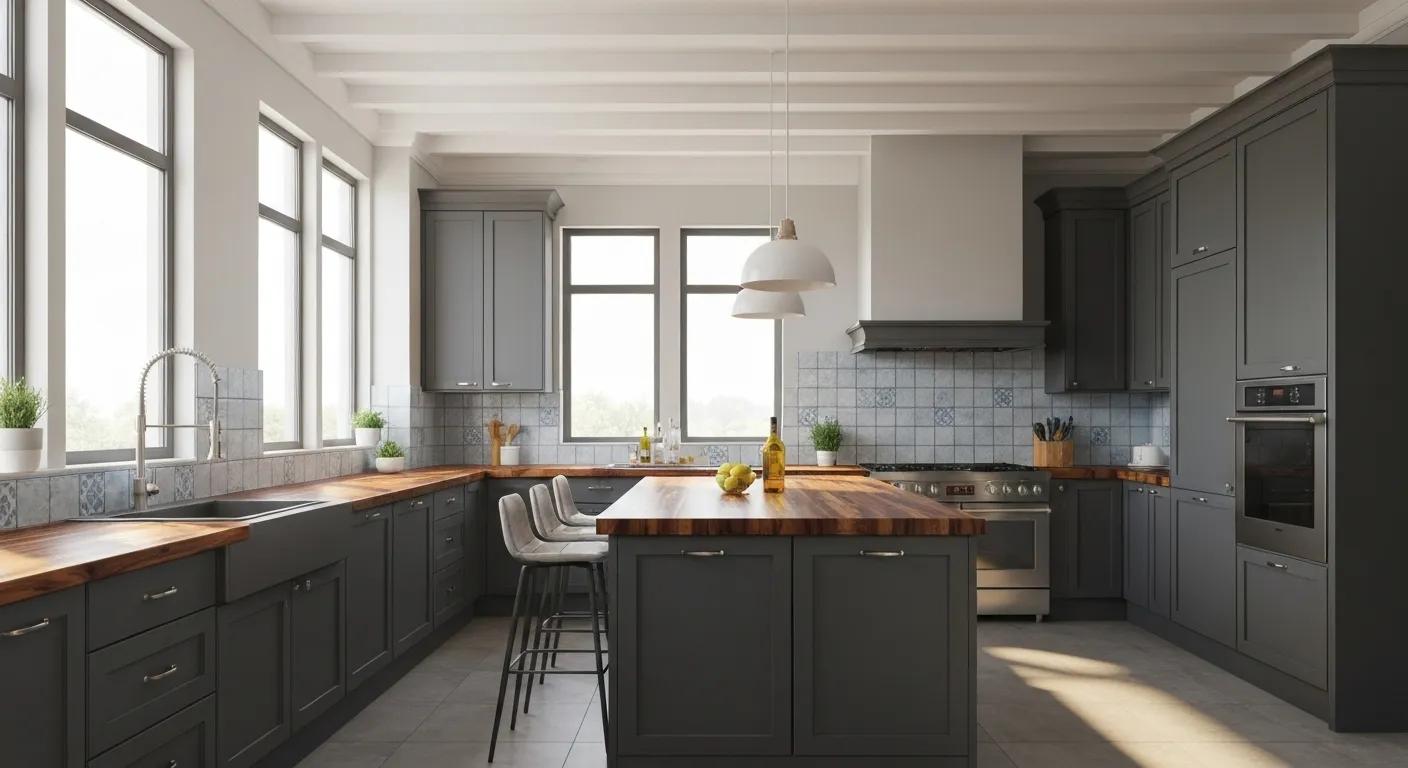
In 2025, warm wood tones—such as walnut, maple, and oak—are increasingly taking center stage, offering a welcoming alternative to stark white finishes and infusing kitchens with biophilic warmth. Bold color applications, featuring deep navy, sophisticated sage green, or matte black, are being used to create dramatic focal points. Integrated smart storage solutions, including pop-out drawers, pull-down shelves, and LED-lit interiors, are enhancing organization and functionality. The combination of mixed materials, such as fluted wood panels, frosted glass, and brushed metal hardware, introduces captivating tactile contrast. Sustainability continues to be a paramount consideration, with reclaimed finishes, bamboo accents, and low-VOC coatings responding to the growing demand for eco-friendly choices.

How Are Warm and Natural Tones Influencing Cabinet Colors?

Warm tones evoke the natural beauty of wood grains and foster inviting, cozy ambiances, particularly in open-plan kitchen layouts. Subtle textured finishes, like wire-brushed and live-sawn veneers, beautifully highlight the authentic materiality of the wood. These natural wood finishes pair seamlessly with stone countertops and mixed-metal fixtures, supporting the biophilic design narratives that are highly favored by environmentally conscious clients.

What Bold Cabinet Colors Are Gaining Popularity?

Deep blues, sophisticated charcoal grays, and rich forest greens are emerging as popular choices for accent island cabinet finishes, effectively creating visual anchors within predominantly neutral kitchens. Matte black offers a low-contrast, minimalist aesthetic while delivering a high-impact dramatic statement. Employing color-blocking techniques, such as distinct colors for top and bottom cabinet runs, can help define functional zones within open-concept layouts.

How Are Smart Storage Solutions Enhancing Cabinet Functionality?

Advanced storage solutions, including pull-out pantry systems, vertical tray dividers, under-cabinet lighting, and integrated charging stations, are seamlessly embedding technology into cabinetry. Enhanced usability is achieved through soft-close mechanisms, adjustable shelving, and a variety of modular accessories. Trade partners can effectively upsell these options as value-added features that significantly boost client satisfaction and project ROI.

Why Are Mixed Materials and Textures Becoming Popular?

The combination of diverse materials and textures, such as fluted wood panels paired with metal-frame glass doors, introduces captivating depth and visual movement to cabinet façades. Mixed-material fronts, including the incorporation of stone veneer inlays, allow for the creation of truly bespoke focal points. These sophisticated juxtapositions enable the development of unique, signature looks that effectively differentiate high-end projects.

How Do Advanced Cabinet Construction Types Meet Different Project Needs?

Advanced construction tiers—ranging from RTA and stock to semi-custom and custom—are designed to align precisely with project scale, timeline, and budget requirements. RTA cabinets are particularly well-suited for fast-turnaround renovations and spec-grade builds where minimal lead times are critical. Stock lines offer immediate availability in standard sizes but come with limited finish selections. Semi-custom options provide a compelling balance between cost and personalization, offering adjustable widths, door styles, and moldings. Fully custom fabrication delivers unparalleled design freedom, accommodating unique layouts, specialty materials, and integrated architectural elements.

What Are the Benefits of Ready-to-Assemble (RTA) Cabinets for Builders?

RTA cabinets offer significant advantages for builders, including reduced shipping costs due to flat-pack shipping, minimal warehouse storage requirements, and seamless integration with e-commerce ordering platforms. Builders can procure exactly what is needed for each project phase, effectively avoiding overstock situations. Assembly methods utilizing cam locks and confirmats streamline on-site construction. With a projected growth rate of 6.45 percent CAGR, RTA cabinets are an ideal solution for time-sensitive remodels and smaller-scale developments.

When Should Trade Partners Choose Semi-Custom or Custom Cabinets?

The selection of semi-custom cabinets is ideal for projects that require consistent production quality while allowing for incremental adjustments in dimensions or finishes. This option is well-suited for medium-budget residential remodels. Fully custom cabinets are reserved for truly bespoke projects—such as historic restorations or high-end estate homes—where unique materials, intricate profiles, and integrated millwork justify the premium pricing and extended lead times.

How Do Stock Cabinets Compare in Availability and Design Flexibility?

Stock cabinets typically ship within a matter of days and are available in the most common door styles, finishes, and sizes, making them an excellent choice for projects requiring rapid starts. However, the limited range of door profiles and fixed dimensions may necessitate the use of fillers or sacrificial cuts, potentially impacting the overall aesthetic uniformity. Trade partners must carefully weigh the benefit of immediate availability against the specific requirements for the finished look.

What Are the Best Practices for Ordering and Managing Wholesale Kitchen Cabinets?

Streamlining wholesale orders begins with implementing centralized order management platforms that support bulk SKU uploads and automated reorder thresholds. Proactively forecasting project phases allows for securing preferred pricing tiers and avoiding costly rush-order fees. Coordinating deliveries to designated staging areas effectively minimizes on-site storage constraints. Access to discounted sample door and finish kits significantly enhances sales presentations and expedites client sign-off, ultimately reducing revision cycles and accelerating payment milestones.

How Can Trade Partners Streamline Wholesale Ordering Processes?

Implementing electronic data interchange (EDI) integrations with cabinet suppliers can automate the entire process of generating quotes, purchase orders, and invoices. Consolidating orders for multiple projects under blanket purchase agreements ensures consistent access to volume discounts. Utilizing standardized part numbers and consistent finish codes is crucial for minimizing order errors and expediting fulfillment.

What Delivery and Lead Time Expectations Should Trade Partners Have?

In-stock stock cabinets typically ship within 7–10 business days, while semi-custom orders generally require 3–4 weeks for production and delivery. Custom projects often have lead times ranging from 6–8 weeks from the final design approval. Rapid replenishment programs focused on core door styles can further reduce lead times by strategically bundling popular items into regional distribution centers.

How Does Access to Discounted Samples Improve Client Presentations?

Discounted sample kits provide trade partners with the invaluable opportunity to showcase tangible materials—including door styles, hardware finishes, and paint swatches—directly within the client’s kitchen environment. These physical references significantly expedite the decision-making process, minimize the risk of finish mismatches, and accelerate project sign-off speed. Offering samples at a reduced cost also fosters stronger client trust and positions partners as highly service-oriented professionals.

Frequently Asked Questions

What are the key factors to consider when choosing kitchen cabinet materials?

When selecting kitchen cabinet materials, it’s crucial to evaluate durability, cost, and environmental impact. Solid hardwood and high-grade plywood are renowned for their exceptional longevity and resistance to warping, making them ideal choices for high-traffic areas. Medium-density fiberboard (MDF) and laminate offer more budget-friendly alternatives, though their performance in terms of moisture resistance can vary. Additionally, sustainable materials like reclaimed wood and bamboo are increasingly popular due to their eco-friendly attributes. A thorough assessment of these factors ensures that the chosen materials align with both the aesthetic and functional requirements of the kitchen space.

How can trade partners effectively manage client expectations during the cabinet selection process?

To effectively manage client expectations, trade partners should prioritize clear and consistent communication regarding timelines, material availability, and the full spectrum of design options. Leveraging visual aids such as detailed 3D renderings and physical material samples can significantly help clients visualize the final outcome. Establishing realistic timelines for both delivery and installation is paramount, as is proactively discussing any potential challenges. Regular updates throughout the project lifecycle can further enhance client confidence and satisfaction, ensuring they feel informed and actively involved in t

kitchen cabinets
Choosing Kitchen Cabinets: Shaker, Frameless, or Framed? 2

heir kitchen renovation.

What are the benefits of using sustainable materials in kitchen cabinets?

The use of sustainable materials in kitchen cabinets offers substantial benefits, including a reduced environmental footprint and improved indoor air quality. Materials such as reclaimed wood and bamboo not only contribute to eco-friendly design but also impart a unique character to kitchen aesthetics. Moreover, a growing number of consumers are placing a high priority on sustainability, which can significantly enhance a brand’s reputation and market appeal. By incorporating low-VOC finishes and adhering to sustainable sourcing practices, trade partners can meet the increasing demand for green building solutions while providing clients with stylish and environmentally responsible choices.

How do trends in kitchen cabinet design influence resale value?

Current trends in kitchen cabinet design can exert a considerable influence on a home’s overall resale value. Modern styles, including popular options like shaker and slab cabinets, tend to appeal to a broad demographic of potential buyers due to their timeless aesthetics and proven functionality. Incorporating high-quality materials and premium finishes can also elevate the perceived value of the home. Furthermore, kitchens that effectively reflect contemporary design trends, such as open shelving or the use of mixed materials, can attract buyers seeking modern features. Staying abreast of evolving design trends enables trade partners to guide clients toward choices that enhance both their immediate enjoyment of the space and its future resale potential.

What installation tips should contractors keep in mind for different cabinet types?

Contractors should be mindful of specific installation techniques tailored to different cabinet types. For framed cabinets, meticulous pre-drilling for hinges and ensuring consistent door reveals are essential steps. Frameless cabinets necessitate precise alignment and may benefit from the use of modular connector systems to simplify the assembly process. Additionally, understanding the unique hardware requirements for each type—such as specific hinge boring patterns—can significantly streamline the installation workflow. Proper leveling and shimming are critical for both types to guarantee optimal functionality and aesthetic appeal, thereby minimizing callbacks and maximizing client satisfaction.

What role do color and finish choices play in kitchen cabinet design?

Color and finish selections play a pivotal role in kitchen cabinet design, profoundly influencing the overall ambiance and style of the space. Warm wood tones and bold color choices can serve as captivating focal points and significantly enhance the kitchen’s unique character. The chosen finish—whether matte, glossy, or textured—impacts not only the visual aesthetics but also the cabinet’s durability and ease of maintenance. Trade partners should expertly guide clients in selecting colors and finishes that harmonize with their personal style while also considering current trends and potential resale value. A thoughtfully curated color scheme can dramatically elevate both the appeal and functionality of the kitchen.

Conclusion

The diverse types of kitchen cabinets available—from the fundamental differences between framed and frameless construction to the tiered options of RTA, semi-custom, and custom—are critical determinants of project performance, installation efficiency, and ultimate client satisfaction. Variations in style, such as shaker, slab, raised panel, inset, and rustic fronts, cater to a wide spectrum of design visions, while careful material selection balances crucial factors like durability, cost, and sustainability. Trade partners can achieve a significant competitive edge by leveraging wholesale programs that offer preferred pricing, concierge design services, dedicated customer support, discounted samples, and expedited delivery options. By strategically aligning construction methods with specific project scopes and embracing the latest 2025 trends, contractors, designers, and dealers are well-equipped to deliver high-value kitchens that not only delight clients but also maximize profitability.

Choosing Kitchen Cabinets: Shaker, Frameless, or Framed? Elegant Kitchen and Bath


source https://www.elegantkitchenbath.com/choosing-kitchen-cabinets-shaker-frameless-or-framed/

Bathroom Remodeling Costs Northern Virginia 2026: Complete Budget Guide From Budget to Luxury

Planning a bathroom remodel in Northern Virginia for 2026? You’re facing a unique market where costs run 20-30% higher than national average...