Home remodeling in Northern Virginia is never just about changing finishes. In Herndon, Fairfax, Ashburn, Reston, Chantilly, Centreville, Sterling, Vienna, McLean, Leesburg, Arlington, Alexandria, and nearby communities, a remodel has to respond to the way local homes are built, the expectations of the market, and the way modern families actually live. A kitchen may need better storage and traffic flow. A bathroom may need a safer shower and better lighting. A basement may need to become usable square footage. A home addition may be the answer when the house is in the right neighborhood but no longer has the right layout.
This guide explains the best home remodeling upgrade ideas for Northern Virginia homeowners, with practical planning advice by service area and project type. It is written for homeowners comparing kitchen remodeling, bathroom remodeling, basement remodeling, home additions, countertops, decking, and broader renovation plans. If you are just starting, visit the Elegant Kitchen and Bath homepage, review the services page, or check the company’s home remodeling services in Northern Virginia.

Why Northern Virginia Home Remodeling Needs a Local Plan
Northern Virginia is not a single housing market. A split-level in Fairfax, a colonial in Herndon, a townhome in Ashburn, a luxury property in McLean, and a newer home in South Riding can all need very different remodeling strategies. The age of the house, local permit process, lot conditions, resale expectations, ceiling heights, utility locations, and neighborhood style all affect the right plan. A project that works beautifully in one community may need adjustments in another.
That is why a general home remodeling topic should still be local. Homeowners in Herndon often want practical updates that improve daily life while preserving family-friendly layouts. Fairfax homeowners may be dealing with older kitchens, compact bathrooms, and basements that need better moisture control. Ashburn and Loudoun County homes may have larger footprints but builder-grade finishes that no longer match the home’s value. McLean and Vienna projects often place more emphasis on high-end materials, custom cabinetry, spa bathrooms, and architectural continuity.
The best remodeling plan starts with the house, not with a trend. Before choosing tile, cabinets, flooring, or fixtures, identify what is not working. Is the kitchen too closed off? Is the bathroom too small? Is the basement unfinished? Is the family outgrowing the home? Is the outdoor space disconnected from the interior? The answer determines whether the project should focus on kitchen remodeling, bathroom remodeling, basement remodeling, home addition remodeling, or a broader multi-room plan.
Service Area Remodeling Priorities
Every Northern Virginia service area has its own remodeling pattern. Some communities have older homes ready for layout changes, while others have newer homes that need finish upgrades. Some homeowners are planning around resale, while others want to stay for decades. The table below gives a practical way to think about common project priorities by area.
| Service Area | Common Remodeling Need | Best Upgrade Ideas |
|---|---|---|
| Herndon | Family-focused updates, basements, kitchens, baths | Open kitchen layouts, finished basements, practical bathrooms, better storage |
| Fairfax | Older layouts and compact rooms | Kitchen reconfiguration, bathroom modernization, lighting, flooring, cabinetry |
| Ashburn | Builder-grade finishes and growing households | Large kitchen upgrades, basement living space, home office zones, upgraded countertops |
| Reston | Townhomes, contemporary homes, lifestyle updates | Efficient kitchens, spa bathrooms, lower-level lounges, deck improvements |
| Chantilly and Centreville | Family homes needing flexible space | Basement remodeling, mudroom-style storage, bathroom upgrades, media rooms |
| Vienna and McLean | Higher-end remodeling expectations | Luxury kitchens, custom cabinets, primary suites, additions, premium surfaces |
| Sterling and Leesburg | Space optimization and value-focused upgrades | Kitchen refreshes, finished basements, durable flooring, countertop replacement |
This table is not a rulebook. It is a starting point. A Herndon homeowner may want a luxury kitchen, while a McLean homeowner may need a very practical basement. Still, area patterns help shape expectations. They also help homeowners choose upgrades that fit both the property and the market.
1. Kitchen Remodeling: The Center of the Northern Virginia Home
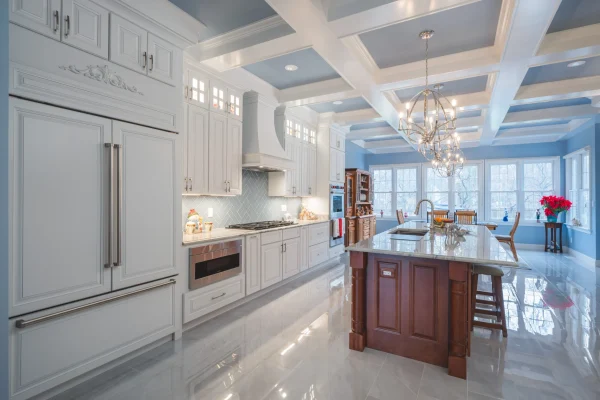
Kitchen remodeling remains one of the most important home upgrades in Northern Virginia because the kitchen affects daily life, entertaining, storage, resale value, and the overall feel of the main level. Many older homes in Fairfax, Herndon, Vienna, and Reston still have closed-off kitchens, limited cabinet space, small islands, or awkward appliance placement. Newer homes in Ashburn and South Riding may have larger kitchens, but the materials may feel dated or builder-grade.
The strongest kitchen remodels improve layout before finishes. A beautiful countertop will not solve poor traffic flow. New cabinets will not fix a cramped work triangle if appliance locations are wrong. Homeowners should think about how they cook, where groceries land, how children move through the room, whether guests gather at the island, and how the kitchen connects to dining and living spaces.
Popular upgrades include larger islands, more drawers instead of lower doors, hidden trash pull-outs, pantry cabinets, quartz countertops, under-cabinet lighting, better ventilation, deep sinks, statement backsplashes, and appliance garages. For more focused planning, review the Kitchen Remodeling service page and related guides like Kitchen Remodel ROI in Northern Virginia and Kitchen Remodeling Costs in Northern Virginia.

2. Bathroom Remodeling: Comfort, Safety, and Resale Appeal
Bathroom remodeling is one of the best ways to improve comfort quickly. A dated bathroom can make the entire home feel older than it is. A well-planned bathroom can make mornings easier, improve storage, support aging-in-place goals, and help resale. In Northern Virginia, primary bathrooms, hall bathrooms, basement bathrooms, and powder rooms all play different roles, so the scope should match the room’s purpose.
Primary bathrooms often benefit from larger showers, frameless glass, better tile, double vanities, improved lighting, niche storage, heated floors, and calmer finishes. Hall bathrooms need durability, easy cleaning, and smart storage. Basement bathrooms may need plumbing and pump planning. Powder rooms are small but can support bolder design choices because they are guest-facing and lower-risk.
Safety and accessibility also matter. Curbless showers, grab-bar blocking, wider clearances, slip-resistant tile, brighter lighting, and comfort-height toilets can make a bathroom easier to use for years. Homeowners can start with the Bathroom Remodeling service page and compare ideas from Bathroom Remodeling Costs Northern Virginia.
3. Basement Remodeling: Add Usable Space Without Expanding the Footprint
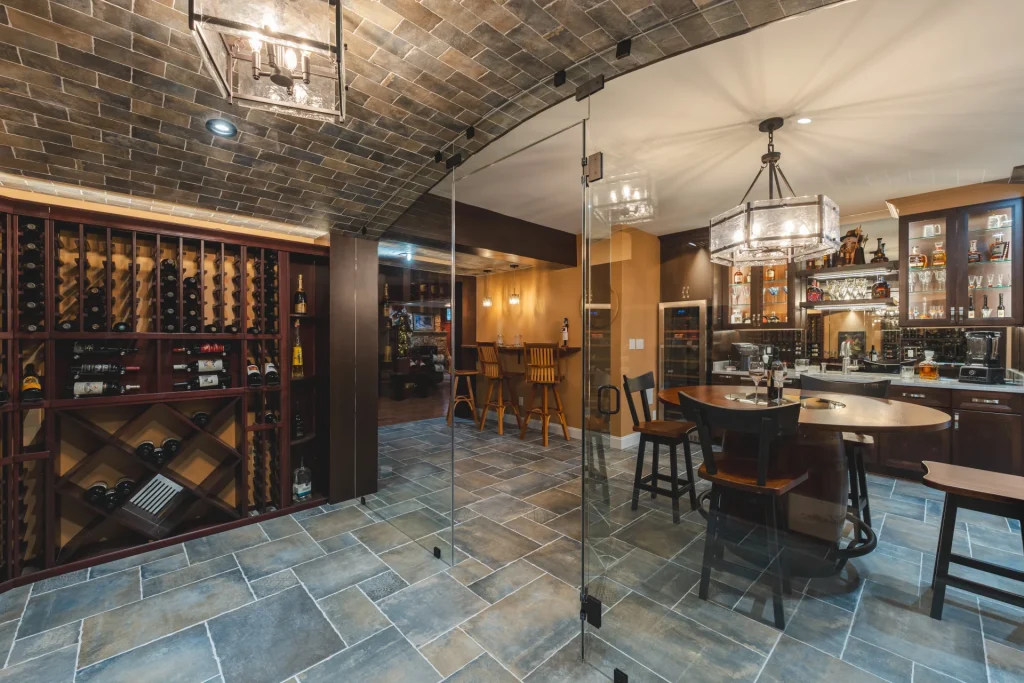
Basement remodeling is especially valuable in Northern Virginia because it can add finished living space without changing the home’s footprint. A basement can become a family room, guest suite, home office, gym, playroom, media room, wet bar, or multi-purpose retreat. For homeowners who love their neighborhood but need more usable space, the lower level is often the best place to start.
The most important basement issues are moisture, ceiling height, lighting, egress, HVAC comfort, and permit requirements. Before choosing flooring or paint, solve water concerns and confirm whether the new layout includes a legal bedroom, bathroom, or structural changes. A good basement remodel should feel like part of the home rather than a separate afterthought.
For deeper planning, see Basement Remodeling, Basement Remodeling in Herndon VA, and the newer guide Basement Remodeling Ideas for Northern Virginia Homes.
4. Home Addition Remodeling: When the House Needs More Space
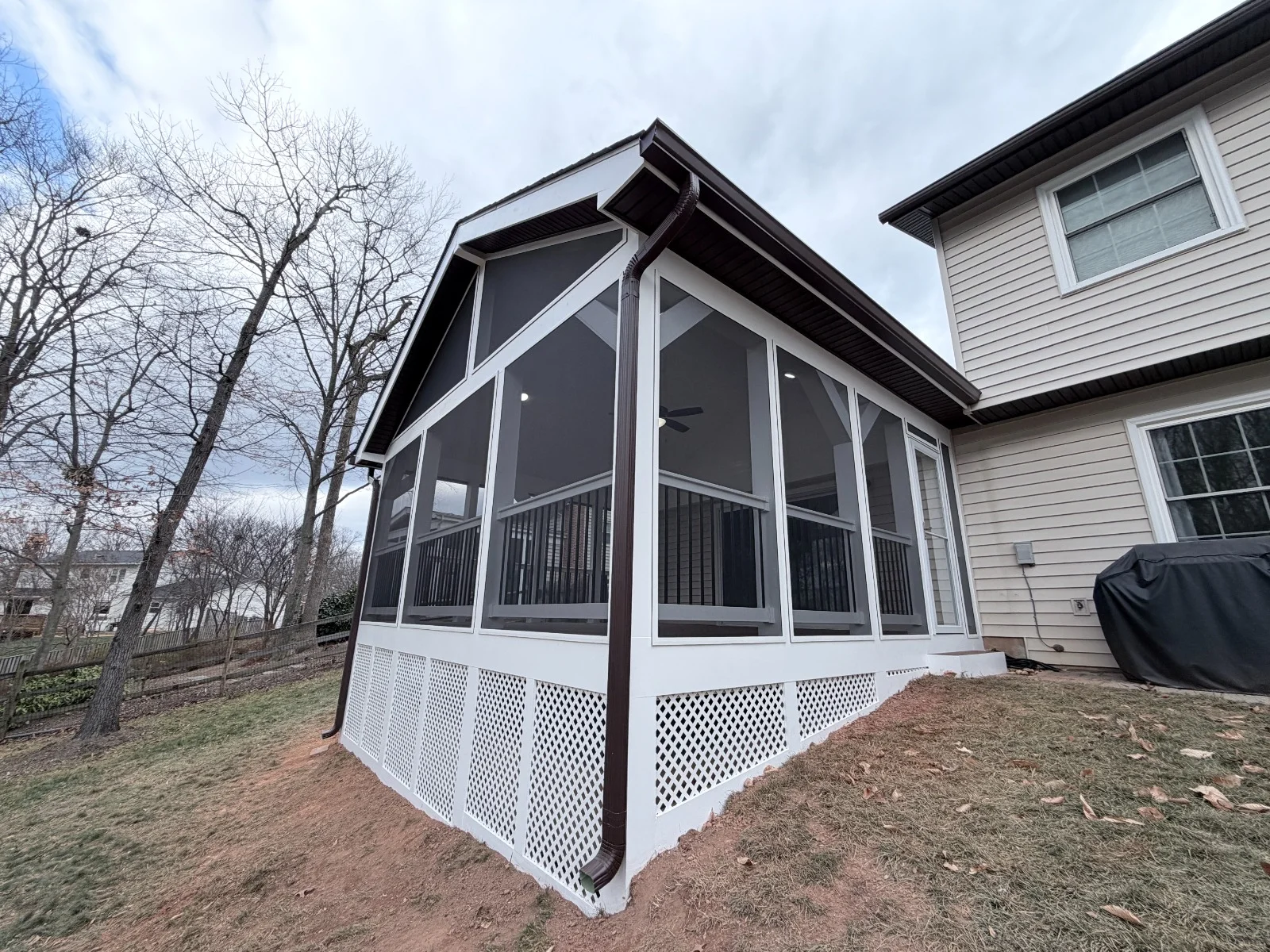
Sometimes the best remodel is not inside the existing footprint. A home addition can create a larger kitchen, new family room, primary suite, sunroom, laundry room, mudroom, in-law suite, screened porch, or expanded living area. In communities where homeowners want to stay in place but need more space, an addition can protect the value of the location while making the home work better.
Additions require careful planning because they affect structure, zoning, setbacks, roofing, foundations, utilities, exterior materials, and the flow of the original home. The goal is not just to add square footage. The goal is to make the addition feel like it belongs. This is especially important in established neighborhoods in Herndon, Fairfax, Vienna, McLean, and Reston, where exterior character and proportions matter.
Start with the Home Addition Remodeling service page and read Home Addition Remodeling in Herndon, VA for more cost and permit context. If the addition connects to an outdoor space, the Decking service page may also help with planning.
5. Countertops, Cabinets, and Surfaces: Smaller Upgrades With Big Visual Impact
Not every home remodeling project needs to be a full gut renovation. Sometimes the smartest upgrade is a focused surface improvement. Countertops, cabinets, backsplash, hardware, lighting, and paint can change the feel of a kitchen, bathroom, laundry room, bar, or basement kitchenette without altering every wall. These projects are especially useful when the layout works but the finishes are dated.
Quartz remains popular because it is durable, consistent, and available in many styles. Granite offers natural variation and long-term strength. Cabinet upgrades can range from full replacement to new doors, improved storage inserts, and better hardware. If the remodel includes a basement bar or laundry area, coordinated cabinetry can make secondary spaces feel more finished.
Useful starting points include Countertops, Cabinets, Quartz Countertops, and Granite Countertops. These pages help connect material choices with the larger remodeling plan.
Best Upgrade Ideas by Project Goal
Homeowners often ask which project should come first. The answer depends on the goal. If the goal is better daily function, the kitchen may be the priority. If the goal is comfort and safety, a bathroom may be first. If the goal is more usable square footage, the basement or an addition may be stronger. If the goal is resale, the project should match buyer expectations in the neighborhood.
| Project Goal | Best Remodeling Focus | Why It Works |
|---|---|---|
| Improve daily family function | Kitchen, mudroom-style storage, basement family room | These areas affect routines every day. |
| Add usable square footage | Basement remodeling or home addition | Both can create rooms the existing layout lacks. |
| Boost resale appeal | Kitchen, primary bath, hall bath, finished basement | Buyers notice these spaces quickly. |
| Support remote work | Basement office, addition, converted room | Privacy and acoustic control improve productivity. |
| Create guest space | Basement suite, bathroom addition, home addition | Private lower-level or added space helps hosting. |
| Update dated finishes | Countertops, cabinets, tile, lighting, flooring | Focused upgrades can change the feel without a full remodel. |
Planning a Multi-Room Remodel
Many Northern Virginia homeowners eventually need more than one room remodeled. A kitchen may connect to a dining room, family room, powder room, mudroom, or deck. A basement remodel may include a bathroom, wet bar, laundry area, and storage. A home addition may affect the kitchen, stairs, exterior siding, roofing, and mechanical systems. When multiple rooms are involved, sequencing becomes just as important as design.
Start by identifying dependencies. If a basement bathroom requires plumbing work, it may make sense to rough in future bar plumbing at the same time. If a kitchen remodel affects the deck entrance, outdoor improvements should be considered early. If an addition changes the main level layout, flooring and trim may need to be planned beyond the addition itself. Good sequencing prevents the frustration of redoing finished work.
Budgeting should also be layered. Separate must-have structural, mechanical, and code work from finish upgrades. Then decide which upgrades are worth doing now and which can wait. For example, it may be smarter to install the right electrical and plumbing infrastructure now, then add custom cabinets later, than to finish the room cheaply and reopen walls in two years.
| Planning Item | Why It Matters | Example |
|---|---|---|
| Permits | Requirements vary by locality and scope | Basement bedroom, addition, bathroom plumbing |
| Infrastructure | Hard to change after finishes are installed | Electrical, HVAC, plumbing, ventilation |
| Materials | Lead times can affect schedule | Cabinets, tile, countertops, fixtures |
| Transitions | Rooms should feel connected | Flooring, trim, paint, stair details |
| Future phases | Prevents unnecessary rework | Rough-in for wet bar or future bathroom |
How to Prioritize Remodeling Projects by Service Area
Prioritizing a remodel becomes easier when homeowners look at both the condition of the house and the expectations of the local market. In Herndon, a home with an unfinished basement and a dated kitchen may benefit from finishing the basement first if the family urgently needs space, then remodeling the kitchen later. In Fairfax, an older hall bathroom and a closed kitchen may be more noticeable to buyers. In Ashburn, a large but builder-grade kitchen may be the room that most clearly holds the home back. In McLean or Vienna, the same project may need a higher finish level because neighboring homes set a different expectation.
Think about urgency, value, disruption, and dependency. Urgency is the problem that affects daily life now. Value is the project most likely to support the home’s long-term market position. Disruption is how much the project will affect cooking, bathing, work, children, pets, and schedules. Dependency is whether one project should happen before another. For example, if a wall between the kitchen and family room may be removed later, new flooring should not be installed in only one room without considering the future transition.
A practical order for many homeowners is to fix safety and water issues first, then improve the rooms used every day, then add lifestyle spaces. That means a leaking bathroom, damp basement, poor electrical layout, or failing deck should not be ignored in favor of cosmetic updates. Once the house is sound, kitchens, bathrooms, and basements can be prioritized according to the household’s real needs.
| Priority Level | Project Type | Reason to Do It First |
|---|---|---|
| Immediate | Water, safety, electrical, structural, failing fixtures | Protects the home and prevents more expensive repairs. |
| High | Kitchen, primary bath, hall bath, basement moisture issues | Improves daily function and strong resale areas. |
| Medium | Finished basement, office, guest room, storage upgrades | Adds usable space and lifestyle value. |
| Strategic | Addition, deck, screened porch, whole-home layout changes | Solves larger space or flow problems. |
| Cosmetic | Paint, hardware, lighting swaps, backsplash refresh | Improves appearance when the layout already works. |
Budget Ranges and What Changes Them
Home remodeling budgets in Northern Virginia depend on scope, materials, permits, labor, age of the home, and how much behind-the-wall work is needed. A countertop replacement is very different from a kitchen redesign. A bathroom refresh is very different from moving plumbing and building a curbless shower. A basement finish is very different from a basement guest suite with a full bath, wet bar, and egress work. A home addition has an entirely different cost structure because it may involve foundation, roofing, exterior walls, windows, utilities, and zoning limits.
Homeowners should avoid comparing projects by square footage alone. Two kitchens of the same size can have very different budgets if one keeps the same layout and the other moves plumbing, changes walls, adds custom cabinets, and uses premium appliances. Two basements can also vary widely if one is dry, open, and simple while the other needs moisture correction, a bathroom, bedroom egress, and mechanical relocation.
The smartest budget includes a contingency. Older Northern Virginia homes can reveal surprises once walls are opened: outdated wiring, plumbing conditions, framing issues, previous unpermitted work, uneven floors, or hidden water damage. A contingency does not mean the project is poorly planned. It means the homeowner is prepared for realistic renovation conditions.
Design Ideas for Herndon, Fairfax, and Ashburn Homes
Herndon homeowners often benefit from remodeling plans that improve family flow. Finished basements, kitchen islands, better pantry storage, updated bathrooms, and home office zones are practical choices. Many Herndon homes are well located for long-term living, so remodeling can be a smart alternative to moving. A basement family room, kitchen refresh, or bathroom upgrade can make the home feel more current without changing neighborhoods.
Fairfax homeowners often face a different challenge: older layouts. Many houses have separate dining rooms, smaller kitchens, compact baths, and basements that were never designed as finished living areas. Removing visual barriers, improving lighting, upgrading bathrooms, and finishing lower levels can make these homes feel significantly larger and more modern. In Fairfax, a remodel that respects the home’s original character while improving function can be especially effective.
Ashburn homes often have more square footage, but not always the finish level homeowners want. Kitchens may be large but dated. Bathrooms may have builder-grade tile and vanities. Basements may be unfinished despite generous footprints. Homeowners in Ashburn and nearby Loudoun County communities can often gain a lot from upgraded surfaces, custom storage, larger basement living areas, and outdoor connections for entertaining.
Design Ideas for Reston, Chantilly, Centreville, Vienna, and McLean
Reston homes often reward thoughtful, efficient design. Townhomes and contemporary layouts may need smarter storage, updated kitchens, modern bathrooms, and outdoor living improvements. Because many Reston properties have strong natural surroundings, deck improvements, window-conscious layouts, and warm modern finishes can work well. A remodel should preserve the sense of connection to trees, paths, and outdoor areas when possible.
Chantilly and Centreville homes often serve busy families. Practical upgrades such as finished basements, media rooms, larger kitchens, bathroom updates, mudroom-style storage, and durable flooring can make the home easier to live in. These projects do not have to be overly formal. They should support daily life: groceries, backpacks, sports equipment, guests, work, pets, and weekend hosting.
Vienna and McLean projects often require a more refined finish strategy. Homeowners may want custom cabinetry, premium countertops, larger primary bathrooms, high-end tile, luxury appliances, and additions that look architecturally integrated. In these areas, details matter. Cabinet proportions, trim, lighting temperature, stone selection, and fixture quality can all affect whether the remodel feels appropriate for the home’s value.
How to Keep a Remodel From Feeling Patchwork
One challenge with remodeling over time is that rooms can start to feel disconnected. A kitchen remodeled in one style, a bathroom updated in another, and a basement finished with unrelated materials can make the home feel patchwork. This does not mean every room should look identical. It means the home should have a shared design language.
Shared design language can come from consistent trim, door style, hardware finish, cabinet tone, flooring transitions, wall colors, or countertop families. For example, a kitchen with warm white cabinets and brushed nickel hardware can connect to a basement bar with similar hardware and a complementary countertop. A bathroom can use a tile tone that relates to the kitchen backsplash without copying it exactly. Small connections help the home feel intentionally remodeled.
Planning matters even when projects are phased. If the kitchen is remodeled this year and the basement next year, keep records of paint colors, cabinet lines, countertop names, tile selections, fixture finishes, and lighting temperatures. Those details make future rooms easier to coordinate.
Permits and Local Requirements in Northern Virginia
Permits are a major part of remodeling in Northern Virginia. Projects that include structural changes, electrical work, plumbing, HVAC changes, additions, decks, basement bedrooms, bathrooms, or major layout changes often require review and inspections. The specific process depends on the locality. A project in the Town of Herndon may have different steps than a project elsewhere in Fairfax County, Loudoun County, Arlington, Alexandria, or Falls Church.
Homeowners should not treat permits as a formality. They protect safety, resale clarity, and long-term value. If a future buyer asks about a finished basement bedroom, deck, addition, or bathroom, permitted work is easier to explain. Permit planning can also catch issues early, such as egress requirements, electrical capacity, stair dimensions, setback limits, and ventilation needs.
How to Choose Materials for Northern Virginia Homes
Material choices should match the room, the household, and the home’s value. A busy family kitchen needs durable cabinets, easy-clean surfaces, reliable flooring, and hardware that can handle constant use. A primary bathroom needs moisture-resistant materials, proper ventilation, slip-resistant tile, and finishes that feel calm. A basement needs materials that respond well to humidity and lower-level conditions. A home addition needs exterior materials that blend with the existing structure.
One mistake is choosing materials only from online inspiration photos. A material that looks perfect in a bright West Coast kitchen may feel wrong in a shaded Northern Virginia colonial. Samples should be viewed in the actual home whenever possible. Lighting, ceiling height, surrounding trim, natural light, and existing flooring can all change how a color or surface reads.
For a balanced approach, use durable materials in high-traffic areas, save statement finishes for focal points, and make sure the whole home has a coherent palette. The goal is not to make every room identical. The goal is to make rooms feel related.
When to Remodel Before Selling and When to Remodel for Yourself
Some homeowners remodel because they plan to sell, while others remodel because they want to enjoy the home for many more years. The strategy should be different. If resale is the near-term goal, focus on broad buyer appeal, neutral quality finishes, visible problem areas, and projects that remove objections. Kitchens, bathrooms, flooring, paint, lighting, and unfinished basements often matter most.
If the goal is long-term living, design can be more personal. A custom pantry, larger island, spa shower, hobby room, gym, screened porch, or built-in office may be worth it because it improves daily life. Still, personal does not mean careless. Good layout, durable materials, and code-compliant work protect the investment even when the design is tailored to the homeowner.
The best projects often do both: they solve a real daily problem and make the home more attractive to future buyers. A finished basement, improved kitchen, updated bathroom, or well-integrated addition can serve the household now and support value later.
FAQs About Home Remodeling in Northern Virginia
What are the best home remodeling projects in Northern Virginia?
The best projects usually include kitchen remodeling, bathroom remodeling, basement remodeling, home additions, countertop upgrades, exterior living improvements, storage upgrades, and whole-home planning that fits the age, value, and layout of the home.
Which areas does Elegant Kitchen and Bath serve?
Elegant Kitchen and Bath serves Herndon and nearby Northern Virginia communities including Fairfax, Ashburn, Reston, Chantilly, Centreville, Sterling, Vienna, McLean, Great Falls, Arlington, Alexandria, Leesburg, South Riding, Oakton, and Brambleton.
Should I remodel my kitchen, bathroom, or basement first?
The best starting point depends on daily pain points, resale goals, budget, and project urgency. Kitchens often have the broadest lifestyle impact, bathrooms can improve comfort quickly, and basements can add usable square footage without expanding the home footprint.
Do home remodeling projects in Northern Virginia require permits?
Many projects involving structural changes, electrical work, plumbing, HVAC, additions, bathrooms, or basement bedrooms require permits. Requirements vary by locality, so homeowners should confirm rules for their specific jurisdiction before construction begins.
Start With the Right Remodeling Plan
A successful Northern Virginia remodel is not just a collection of upgrades. It is a plan that connects the home’s age, neighborhood, layout, family needs, budget, permit requirements, and long-term goals. Whether the project begins with a kitchen, bathroom, basement, home addition, countertop replacement, or outdoor living upgrade, the best results come from making decisions in the right order.
To begin, explore Elegant Kitchen and Bath services, browse completed projects, visit the contact page, or view the business on Northern Virginia home remodeling company.
Home Remodeling in Northern Virginia: Best Upgrade Ideas for Herndon, Fairfax, Ashburn and Nearby Areas Elegant Kitchen and Bath
source https://www.elegantkitchenbath.com/home-remodeling-northern-virginia-herndon-fairfax-ashburn/


 Cost is where the comparison gets concrete. NOVA prices run consistently 15–25% above national averages for both projects. The breakdown below reflects real project pricing observed across Fairfax, Loudoun, and Arlington counties.
 The lifestyle case for each project depends on how you live. The data the tracks consistently shows that the kitchen is where Americans spend the second-most awake hours at home, after the family room. Bathrooms see less time but represent a higher emotional weight per minute — the morning routine and evening wind-down anchor the day, and a frustrating bathroom experience compounds twice daily for years.

