If your basement is still a storage zone, laundry pass-through, or unfinished concrete shell, it may be the most underused square footage in your Northern Virginia home. A smart basement remodel can create a family room, guest suite, home office, gym, media lounge, wet bar, playroom, or multi-purpose retreat without changing the footprint of the house. That matters in communities like Herndon, Reston, Ashburn, Fairfax, Vienna, McLean, Centreville, and Chantilly, where adding usable space can be expensive and zoning conditions can make full additions more complex.
This guide breaks down practical basement remodeling ideas for Northern Virginia homes, with layout planning, cost ranges, permit considerations, lighting tips, material choices, storage ideas, and design details that help the space feel like part of the home instead of an afterthought. If you are just starting, begin with the main basement remodeling service page, then use the ideas below to shape a more detailed project plan.
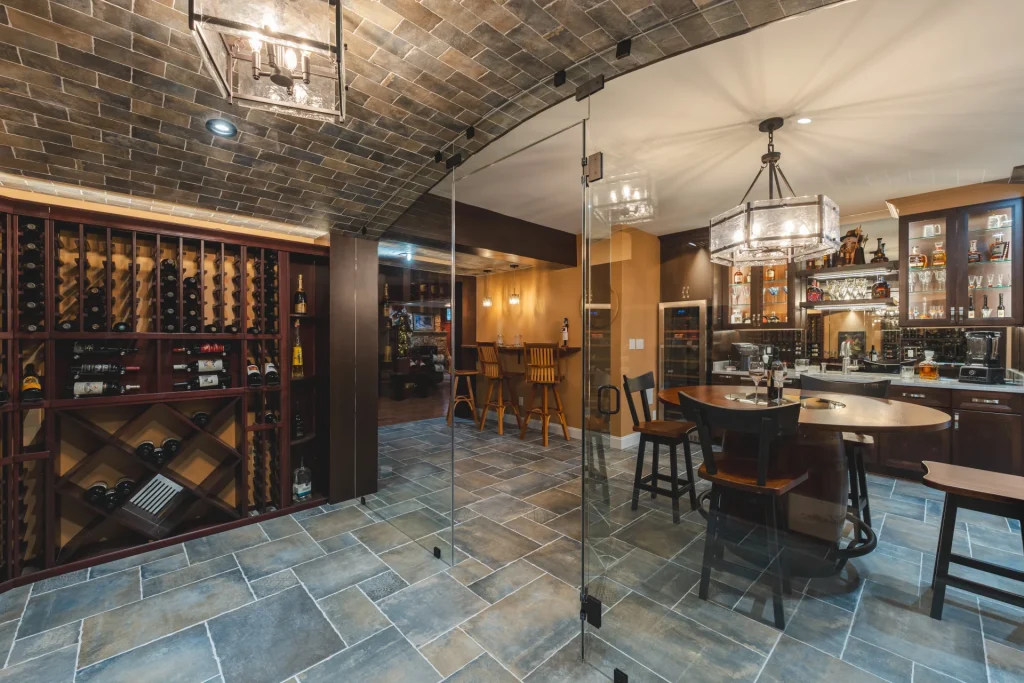
Why Basement Remodeling Works So Well in Northern Virginia
Northern Virginia homes often have excellent basement potential because many properties were built with walk-out levels, partial daylight conditions, generous footprints, or underused lower-level rooms. Even when the ceiling height is modest or the layout includes mechanical equipment, the basement can still become highly functional with the right plan. Compared with building outward, finishing or reworking the lower level can often deliver more usable space with fewer exterior changes.
The most successful projects start with a clear answer to one question: what does the household actually need? A young family may want a playroom, mudroom storage, and a movie area. A household with frequent guests may need a bedroom, bathroom, and kitchenette. A remote worker may value privacy, sound control, and built-in cabinetry. A homeowner thinking about resale may want flexible space that buyers can imagine using in several ways. The right basement design is not just beautiful. It solves daily problems.
Elegant Kitchen and Bath works across Northern Virginia from its Herndon base. You can learn more from the Elegant Kitchen and Bath homepage, view the local profile on basement remodeling contractor in Northern Virginia, or compare basement planning with other services such as kitchen remodeling, bathroom remodeling, and home addition remodeling.
1. The Flexible Family Room Basement
The most dependable basement remodeling idea is a flexible family room. It works for families with children, couples who entertain, empty nesters who want a secondary lounge, and homeowners preparing for future resale. Instead of designing one hyper-specific room, the layout combines open seating, media, storage, and a small activity area. The space can support movie nights, homework, games, workouts, or casual hosting without feeling locked into one use.
For Northern Virginia homes, the family room concept is especially effective when the basement connects to a backyard or patio. Walk-out basements in Herndon, Reston, and Ashburn can become indoor-outdoor entertaining zones if flooring, lighting, and furniture placement support that flow. If the basement has limited natural light, warm layered lighting and lighter wall colors can keep the room from feeling heavy.
| Basement Zone | Best Use | Design Tip |
|---|---|---|
| Main seating area | Movies, games, family time | Use durable upholstery and recessed lighting on dimmers. |
| Wall storage | Toys, seasonal decor, board games | Build cabinets around structural posts or under stairs. |
| Activity corner | Desk, crafts, treadmill, music | Keep outlets and task lighting flexible for future changes. |
| Snack or beverage area | Casual entertaining | Consider a dry bar before committing to plumbing. |
A flexible basement does not need to feel generic. Millwork, wall panels, a built-in media unit, textured carpet, engineered wood flooring, or a statement tile wall can create polish. The key is to keep the bones adaptable. If you add a bathroom later, build the family room layout so plumbing access and circulation still make sense.
2. Guest Suite With Bathroom
A basement guest suite is one of the strongest ideas for homeowners who host relatives, adult children, long-term guests, or multigenerational family members. It can also support resale value because buyers often want private guest space that does not interrupt the main bedrooms. In Northern Virginia, where many homeowners welcome family from out of state or work with hybrid schedules, a lower-level guest area can be both practical and attractive.
Before designing a basement bedroom, confirm code requirements. A legal bedroom usually requires proper egress, adequate ceiling height, safe electrical layout, smoke and carbon monoxide detection, and approved access. Requirements vary by jurisdiction, so a Herndon project may involve different review details than a project in Fairfax County, Loudoun County, Arlington, or Alexandria. This is why early planning matters.
The bathroom is where many guest suite budgets shift. A simple three-piece bath with shower, toilet, and vanity is often enough, but the location of existing drains, slab conditions, and pump needs can affect cost. If the basement bathroom is important, study the company’s bathroom remodeling work for finish ideas, shower layouts, tile inspiration, and vanity planning.
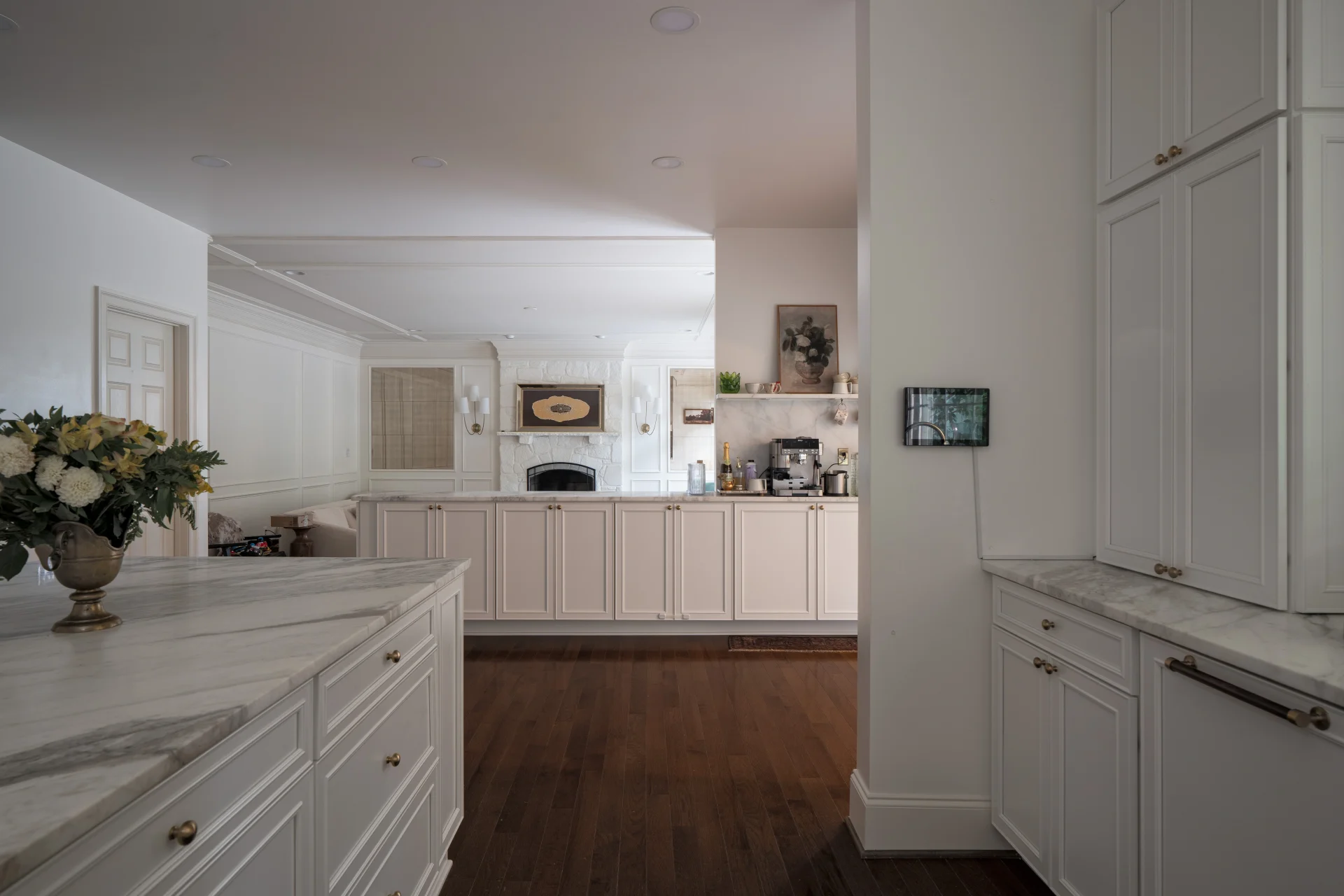
3. Basement Wet Bar or Entertainment Lounge
A wet bar can make a finished basement feel complete, especially when the lower level is used for entertaining. It keeps drinks, snacks, glassware, and cleanup close to the seating area. In larger basements, the bar can become the central design feature; in smaller spaces, it can be a compact wall of cabinets with a sink, beverage refrigerator, open shelving, and countertop surface.
Cabinetry and countertop selection matter in this zone. A basement bar needs materials that handle moisture, traffic, and occasional spills. Explore cabinet options and countertop services if you want the lower level to feel consistent with the home’s kitchen or main-level finishes. Quartz is a popular choice for basement bars because it is durable, easy to maintain, and available in many colors.
Not every basement needs full plumbing. A dry bar can still deliver function if plumbing access is limited or if the budget should stay focused on flooring, lighting, and seating. The decision should come from how the room will be used. If you regularly host, a sink may be worth it. If the basement is mostly for movie nights, a beverage center and storage may be enough.
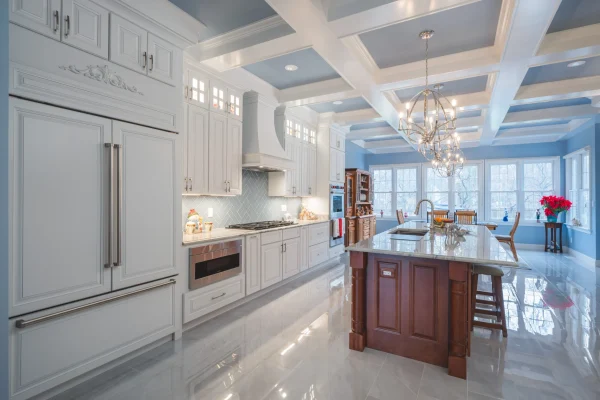
4. Home Office and Study Zone
Remote and hybrid work changed what homeowners expect from finished basements. A lower-level office can be quiet, private, and separate from main-floor activity. For homeowners in Northern Virginia who commute to DC, Tysons, Reston, Arlington, or Ashburn part of the week, a basement office can make work-from-home days more comfortable and professional.
The best basement offices do not feel like leftover rooms. They include strong task lighting, reliable outlets, data planning, acoustic control, comfortable flooring, and a camera-friendly wall. If the office is part of a larger open basement, use glass doors, partial walls, shelving, or acoustic panels to create privacy without making the space feel closed off.
Built-ins are especially useful. A cabinet wall can hide printers, files, supplies, and electronics. If the basement also functions as a guest suite, a desk wall can double as a vanity or storage zone. That kind of multi-purpose thinking helps a remodel stay useful for years instead of matching only one life stage.
5. Basement Gym, Wellness Room, or Hobby Space
A basement gym is a smart choice because the lower level can handle heavier equipment, rubber flooring, mirrors, and sound better than many upper-floor rooms. It also keeps workout gear away from bedrooms and main living areas. In Northern Virginia homes where square footage is valuable, combining a gym with a yoga area, sauna-style corner, or hobby room can make the basement more versatile.
Moisture control is the first priority. Exercise rooms need ventilation, proper flooring, and surfaces that clean easily. If the basement has a history of dampness, solve drainage and humidity before choosing finishes. Luxury vinyl plank, rubber tile, and moisture-resistant wall materials often perform better than delicate finishes in active lower-level rooms.
A wellness basement can also connect with a future bathroom remodel. A shower near the gym, a compact powder room, or a spa-inspired bath can turn the lower level into a true retreat. For homeowners planning broader renovations, pairing basement work with bathroom remodeling or home addition remodeling may create a more coherent long-term plan.
6. Kids’ Playroom That Can Grow Up Later
Basement playrooms are common, but the best ones are designed to evolve. Young children need open floor space, soft surfaces, toy storage, and easy sightlines. Teenagers need media, games, seating, charging stations, and privacy. Future buyers may see the same space as a family room, office, gym, or guest area. Avoid overbuilding a theme that only works for a few years.
Use built-in storage, washable finishes, good lighting, and durable flooring. Add outlets where future furniture may go. Keep ceiling access panels neat but available if mechanical systems need service. If the basement includes stairs from a main living area, consider sound control so the playroom does not overwhelm the rest of the home.
7. Media Room Without the Dark Cave Feeling
A basement media room is a classic for a reason: lower levels are naturally suited to controlled light, sound separation, and cozy seating. The mistake is making the room too dark, too narrow, or too specialized. A modern media basement should support movies, sports, gaming, and casual conversation. It should also look good when the screen is off.
Use layered lighting instead of a single ceiling grid. Recessed lights, sconces, stair lighting, cabinet lighting, and dimmers help the room shift from bright cleanup mode to soft movie mode. If the ceiling is low, avoid bulky fixtures. If the basement has a large support column, wrap it with trim, shelving, or a bar-height ledge so it feels intentional.
| Feature | Budget-Friendly Option | Upgrade Option |
|---|---|---|
| Flooring | Luxury vinyl plank or carpet tile | Engineered wood with area rugs |
| Lighting | Recessed LEDs with dimmers | Layered sconces, cabinet lighting, stair lights |
| Storage | Freestanding media console | Built-in wall cabinetry |
| Bar area | Dry bar with beverage fridge | Wet bar with sink and quartz countertop |
| Bathroom | Powder room | Full bath with tiled shower |
Basement Costs: What Drives the Budget?
Basement remodeling costs in Northern Virginia vary widely because no two lower levels start in the same condition. A simple finish of an open area costs less than a full guest suite with bathroom, wet bar, bedroom, egress work, custom cabinetry, and mechanical upgrades. Homeowners should think in terms of scope, not just square footage.
Major cost drivers include framing, insulation, drywall, flooring, electrical work, lighting, plumbing, HVAC, waterproofing, ceiling conditions, bathroom construction, cabinetry, countertops, stairs, doors, trim, and permit requirements. If the basement has moisture problems, low ceilings, outdated electrical service, or complex plumbing needs, address those before spending heavily on decorative finishes.
For comparison, you can review related planning guides such as Basement Remodeling in Herndon VA, Do You Really Need a General Contractor for Your Herndon VA Home Remodel?, and How to Finance a Home Remodel in Northern Virginia. These resources help homeowners connect design ideas with budget planning, permits, and contractor selection.
Permit and Code Considerations
Permit requirements are one of the biggest reasons basement remodeling should be planned carefully. Many projects require permits when they include new rooms, framing, electrical changes, plumbing, HVAC modifications, bathrooms, bedrooms, or structural work. Egress is especially important if the basement will include a sleeping area. Ceiling height, stair conditions, smoke alarms, carbon monoxide detectors, and electrical safety can also affect approval.
Rules can vary between local jurisdictions. A homeowner in the Town of Herndon may have a different review path than a homeowner elsewhere in Fairfax County, Loudoun County, Arlington, Alexandria, or Falls Church. The safest approach is to identify the intended use of each basement room early, then confirm what permits and inspections are required before work begins.
A good remodel plan will not treat code as a last-minute obstacle. It will build safety and compliance into the design from the beginning. That means planning egress before bedroom walls are finalized, locating bathrooms with plumbing feasibility in mind, choosing lighting that works with ceiling height, and making mechanical access look clean while still remaining serviceable.

Moisture, Flooring, and Material Choices
Basements need a different material strategy than upper floors. Even well-built homes can experience humidity, slab moisture, or seasonal temperature swings. Before installing new finishes, check drainage, grading, foundation conditions, sump pump performance, and signs of water intrusion. Cosmetic upgrades should never hide moisture problems.
For flooring, luxury vinyl plank is popular because it handles moisture better than many traditional materials and can mimic wood. Carpet tile can work well in media rooms or playrooms because damaged sections can be replaced. Tile is durable for bathrooms, laundry areas, and wet bar zones. Engineered wood may be possible in some basements, but it should be selected carefully and installed according to manufacturer recommendations.
Wall and ceiling choices matter too. If the basement ceiling is low, a painted drywall ceiling with recessed lights may feel cleaner than a bulky drop ceiling, but access needs must be considered. If mechanical lines are complex, a selective soffit strategy can hide ducts without lowering the whole room. Trim, doors, and paint should coordinate with the main level so the basement feels like part of the house.
Lighting Ideas That Change the Whole Basement
Lighting can make or break a basement remodel. Natural light is often limited, so the design needs layers. General lighting keeps the room usable, task lighting supports desks and bars, accent lighting highlights shelves or feature walls, and decorative lighting adds personality. Dimmers are almost always worth including because basement rooms often shift between work, play, hosting, and relaxing.
In low ceilings, use shallow recessed fixtures and avoid heavy pendants except over bars or tables where they make sense. In walk-out basements, keep window treatments light enough to preserve daylight. Mirrors, glass doors, lighter paint colors, and reflective tile can all help the lower level feel more open.
Storage Ideas: The Hidden Value of a Basement Remodel
Storage is often the difference between a basement that looks good for photos and a basement that works for real life. Under-stair cabinets, built-in shelving, hidden mechanical room storage, toy drawers, seasonal storage closets, media cabinets, mudroom-style cubbies, and laundry organization can keep the finished area clean. This is especially important for families who use the basement every day.
Plan storage before furniture. If the design leaves only leftover corners for closets, the space will become cluttered quickly. If storage is integrated into the layout, the room will stay flexible. Cabinetry can also connect the basement visually to the kitchen, especially if the home recently completed or is planning a kitchen remodel.
How to Choose the Right Basement Remodeling Idea
Start by ranking needs, not features. A wet bar sounds exciting, but a bathroom may matter more for daily use. A theater room sounds luxurious, but a flexible family room may be better for resale. A gym sounds practical, but only if ventilation, flooring, and storage support it. The best basement remodel balances how you live now with what the home may need later.
Walk through the basement and identify fixed conditions: stairs, windows, columns, mechanical equipment, ceiling height, plumbing access, exterior doors, and electrical panels. Those elements shape the plan. Then decide which zones need privacy and which can stay open. Bedrooms, bathrooms, offices, and gyms often need separation. Family rooms, bars, playrooms, and media areas can often share an open layout.
If you are comparing basement remodeling with other renovation plans, review the broader services page. Some homes benefit from sequencing projects together, especially when a basement bathroom, kitchen cabinetry, countertops, or a home addition is part of a larger improvement plan. You can also browse completed projects for ideas that feel realistic instead of theoretical.
Basement Remodeling Timeline: What Happens First?
A basement remodel becomes much easier to manage when the timeline is clear before work begins. Homeowners often think first about paint colors, flooring samples, or bar finishes, but the early stages are more practical. The team needs to understand the existing structure, moisture conditions, utilities, ceiling height, code requirements, and how the new rooms will connect. This planning stage is where the final project either becomes smooth or starts collecting problems.
The first step is discovery. Walk the basement and identify the locations of the electrical panel, water heater, HVAC equipment, sump pump, drains, windows, doors, beams, columns, ducts, and stairs. These elements are not obstacles by default; they are the rules of the room. A smart plan uses them intelligently. For example, a bathroom may belong near existing plumbing, a storage closet may hide a mechanical chase, and a media wall may be positioned where natural light will not create glare.
After discovery comes design and scope. This is when the homeowner decides whether the project is a simple finish, a full lower-level suite, a family room with wet bar, or a multi-zone remodel. The more rooms and systems involved, the more important documentation becomes. Drawings, finish selections, fixture lists, cabinet plans, and permit notes reduce confusion during construction. Even when the design is not ultra-luxury, clarity saves money.
| Phase | Typical Focus | Homeowner Decision |
|---|---|---|
| Discovery | Measure, inspect, identify moisture and mechanical conditions | Decide the main purpose of the basement |
| Design | Layout, lighting plan, room locations, finish direction | Choose must-have rooms and nice-to-have features |
| Permits | Submit required documents and confirm code items | Approve the final scope before construction |
| Rough work | Framing, plumbing, electrical, HVAC | Confirm outlet, lighting, and fixture locations |
| Finishes | Drywall, flooring, tile, cabinetry, paint, trim | Review details before final installation |
| Final punch | Inspections, adjustments, cleanup | Walk the space and note final touch-ups |
Construction time depends on scope. A straightforward open basement finish may move faster than a remodel with a bathroom, wet bar, bedroom, custom cabinetry, and complex inspections. Homeowners should also build in decision time. Tile, cabinets, countertops, plumbing fixtures, lighting, flooring, and paint should be selected early enough that the project does not pause while materials are ordered.
Common Basement Remodeling Mistakes to Avoid
The biggest basement remodeling mistake is treating the lower level like a normal above-grade room. Basements have different moisture, light, sound, and mechanical realities. A finish that works beautifully upstairs may not be the best choice below grade. Durable materials, moisture control, and access to mechanical systems should guide the design before decorative decisions take over.
Another common mistake is ignoring storage. Many unfinished basements hold seasonal items, tools, luggage, sports equipment, holiday decor, and household overflow. When the basement is finished, that storage does not disappear. If the remodel does not include closets, built-ins, or a dedicated storage room, clutter will migrate into the new living area. A good design preserves storage while still making the finished space attractive.
Homeowners also underestimate lighting. A basement can have new floors, fresh paint, and expensive furniture, but if the lighting is flat or too sparse, the room will still feel unfinished. Plan lighting by zone: brighter task lighting for offices and bars, softer lighting for media areas, practical lighting for stairs and laundry, and accent lighting for shelves or feature walls. Good lighting is not a luxury in a basement. It is what makes the room feel livable.
Finally, avoid designing only for today. A basement remodel should have enough flexibility to serve the household through several stages of life. A playroom can become a teen lounge. A gym can become a guest room. A home office can become a hobby space. A large open family room can later support a kitchenette or bar. Flexible planning protects the investment.
Budget Planning Tips for a Smarter Basement Remodel
A good basement budget separates essentials from upgrades. Essentials include moisture control, safe electrical work, code-compliant framing, HVAC comfort, insulation, lighting, permits, and durable surfaces. Upgrades include custom bars, premium countertops, built-in cabinetry, specialty tile, sound systems, luxury bathroom fixtures, and decorative millwork. Both categories can be valuable, but essentials should come first.
If the budget is limited, focus on the parts that are hardest to change later. Plumbing rough-ins, electrical layout, insulation, framing, bathroom location, and lighting infrastructure should be planned carefully from the beginning. Decorative choices can sometimes be upgraded later, but moving a bathroom or opening finished walls is far more expensive.
Homeowners can also phase the project intelligently. For example, the first phase might finish the family room, bathroom rough-in, and storage. A later phase might add the wet bar, custom cabinetry, or built-in media wall. This approach only works if the future phase is anticipated early. Otherwise, the second phase may require undoing finished work.
Design Details That Make a Basement Feel Like the Main Level
The best finished basements do not feel detached from the rest of the home. They repeat enough design language from the main level to feel intentional, while still adapting to the lower-level environment. That might mean matching door styles, trim profiles, cabinet colors, hardware finishes, or wall colors. It might also mean using similar countertop materials in the basement bar and kitchen.
Stair transitions matter. The basement begins before you reach the bottom step, so the stairwell should feel finished too. Updated railings, wall lighting, fresh paint, durable stair treads, and a clean landing can make the entire lower level feel more welcoming. If the stairs remain dark and unfinished, even a beautiful basement can feel disconnected.
Ceiling design is another detail that affects the entire room. Low ceilings benefit from clean lines, recessed lighting, and careful duct planning. Taller basements can support beams, tray details, or decorative fixtures. Columns can be wrapped with trim, turned into shelving, or integrated into a bar. The goal is to make necessary structural elements look designed instead of tolerated.
FAQs About Basement Remodeling Ideas
What is the best basement remodeling idea for Northern Virginia homes?
The best idea depends on your household, but flexible family rooms, guest suites, home offices, wet bars, gyms, and media rooms are especially practical because they add daily function and appeal to future buyers.
Do I need a permit to remodel a basement?
Most basement projects involving framing, electrical work, plumbing, HVAC changes, bathrooms, bedrooms, or structural changes require permits. Requirements vary by jurisdiction, so confirm them before construction begins.
How much does basement remodeling cost in Northern Virginia?
Many projects fall between $35,000 and $100,000 or more, depending on size, scope, bathroom or bar additions, egress requirements, finishes, and mechanical work.
What basement features add the most value?
Legal bedrooms, full bathrooms, flexible family rooms, durable flooring, built-in storage, strong lighting, and moisture-resistant materials usually provide the strongest mix of daily value and resale appeal.
Ready to Plan a Basement Remodel?
A well-planned basement remodel can make a Northern Virginia home feel larger, more comfortable, and more useful without changing the home’s footprint. The strongest projects begin with function, then layer in finishes, lighting, storage, and materials that match the way the household lives. Whether you want a guest suite, media room, gym, playroom, office, wet bar, or multi-purpose family space, the right design can turn the lower level into one of the most valuable parts of the home.
To start shaping your project, visit Basement Remodeling by Elegant Kitchen and Bath, explore the contact page, or find the company through its Basement Remodeling in Herndon VA.
Basement Remodeling Ideas for Northern Virginia Homes: Layouts, Costs, Permits and Design Tips Elegant Kitchen and Bath
source https://www.elegantkitchenbath.com/basement-remodeling-ideas-northern-virginia-homes/


No comments:
Post a Comment